By Carly Baker
Founded in London in 1850, the Young Women’s Christian Association (YWCA) has been a leading force in helping women gain independence and stability through housing, job training, and education. Today, the Lewiston branch, soon to celebrate its 150th anniversary, serves as a living example of the YWCA tradition of empowering women and girls while also addressing broader social inequalities.
YWCA history
In its first years, the YWCA offered women practical skills like typing to help them enter the workforce. By 1870, it opened its first U.S. location in Boston as a boarding house for women. The YWCA then expanded nationwide. By the 1920s, it provided bilingual instruction to help immigrant women navigate work and daily life, travelers’ aid for women arriving from other cities or from overseas, and support groups for the families of Black soldiers.
The YWCA came to Lewiston in 1878, aiming to support the growing number of immigrant women arriving to work in the city’s textile mills. It offered housing, language classes, and job training, along with social and recreational programs that helped women build community in a new place.
ADVERTISEMENT
In recent years, the YWCA Central Maine has stayed true to its roots of empowering women and eliminating racism, while adapting to the changing community needs following the arrival of Somali refugees in Lewiston. As the website states, “All YWCA services work toward the realization of gender and racial equity through providing accessible and culturally appropriate resources for health and wellness, recreation, childcare, and advocacy. The advancement of women, people of color, and economic justice in Lewiston-Auburn is integral in all that we do.”
Recent impact
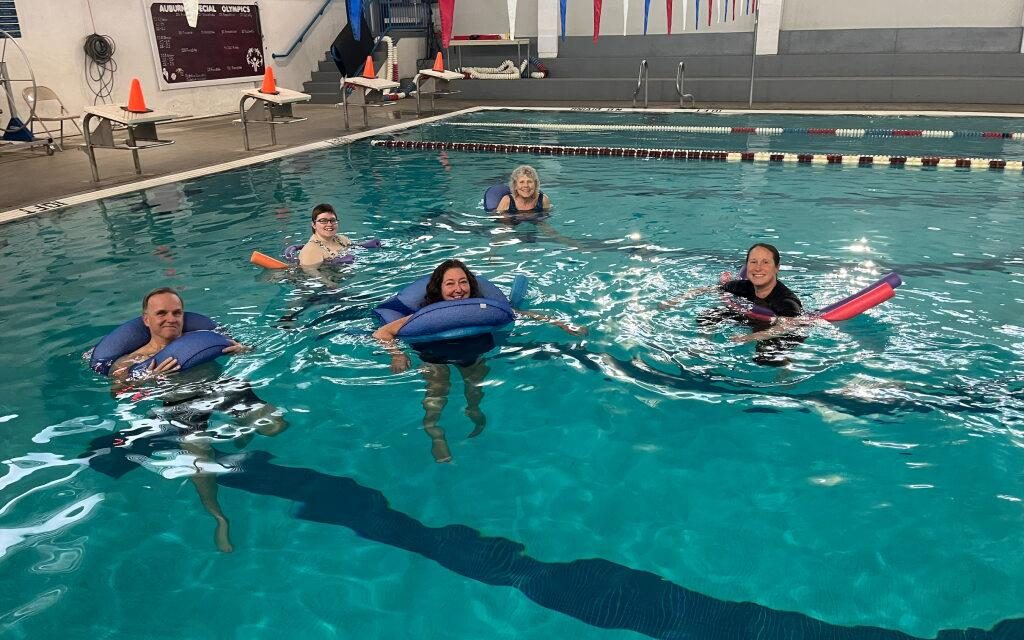
Responding to a need in the immigrant community, the YWCA has expanded youth programming, including eight-week beginner swimming lessons focused on water safety. They offer free, women-only swim sessions, as well as free swim sessions for girls ages 5 – 12. Tiffany Salter, Chief Program and Impact Officer, told Amjambo, “It was really important to us that we’re serving a community that has not historically had access to pools and to swimming lessons. … There’s so much water in Maine.”
The swimming program has enjoyed wide community support from organizations such as the Djiboutian American Community Empowerment Project, Sustainable Livelihoods Relief Organization, and the Permanent Commission on the Status of Racial, Indigenous, and Tribal Populations.
Job training continues to be a major focus for the Lewiston YWCA. The YW Strive program, which meets twice a week for 10 weeks, serves cohorts of up to 20 people. Participants learn how to use Google Suite and write resumes and cover letters, and attend a mock interview program with local employers. Salter said the program “allows the participants an opportunity to have a real conversation with an interviewer in a low-stakes environment before they actually have to go through the interview process.” The Strive program also teaches people social-emotional skills that many employers value, such as conflict resolution, customer service, and professionalism.
From June to August, the YWCA runs a summer camp led by young adult counselors. This year, campers went on field trips to nearby lakes and places like Monkey C Monkey Do, an adventure park in Wiscasset. The camp also includes workshops taught by a local teacher focused on emotional skills such as how to be a good friend, respect others, and practice communication.
During the school year, the YWCA offers before and after school care, as well as full-day care for younger children. These programs provide breakfast, lunch, and snacks.
Reflecting on their programming, Salter said, “The Strive program has been one of the most rewarding things that I’ve worked on this year.” The swim program is also a highlight for Salter. “It’s been wonderful to be with the kids. The kids being empowered to feel safe in the water, or at least safer, is really a lovely feeling.”
On her hopes for the YWCA’s future, Salter said, “Being able to adapt the resources that we already have to help partner organizations in the community – it’s amazing to have the privilege to do that work.”
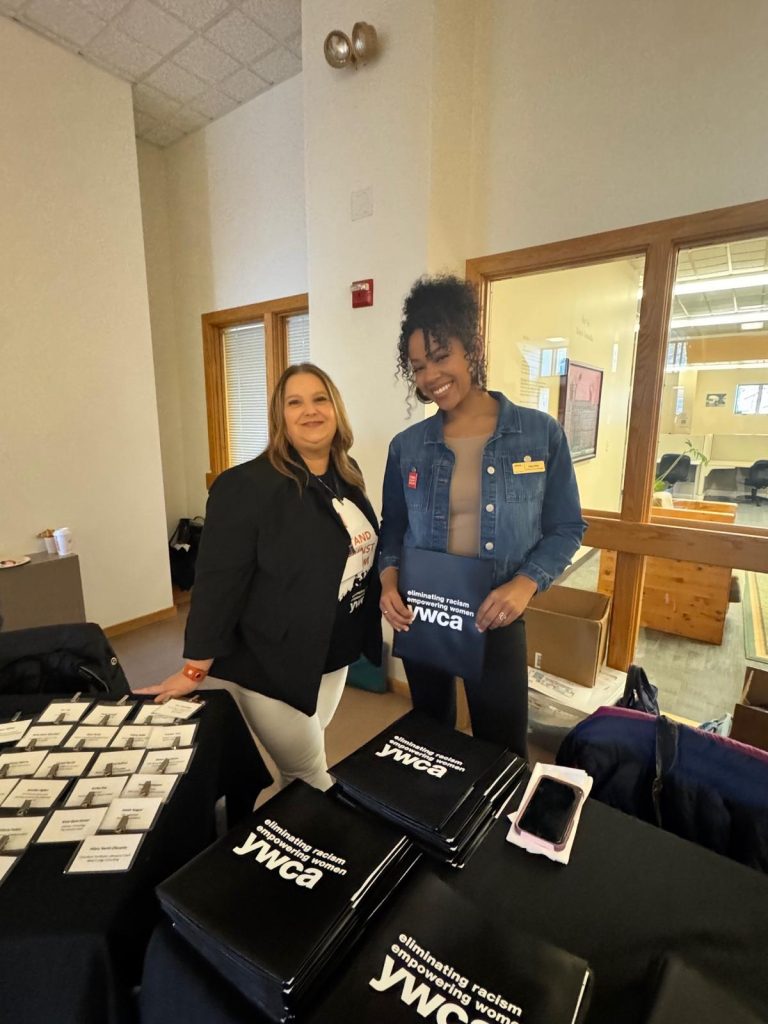
Photo Echo Paradis