By Amy Harris
For the past five years, Cross Cultural Community Services (CCCS) has marked February’s observation of Black History Month by hosting a Black History Month Community Wellness Fair. This year, the fair included more than 75 registered participants and the theme was “Racism: A Public Health Issue.” Held during the turbulent first 100 days of President Donald Trump’s second term in office, the gathering offered a safe space to discuss threats against immigrants in the U.S.
Warren Edgars, CCCS Marketing and Communications Director, said the fair “is about networking and relationship building, but it’s also about information: how we communicate with our communities about very real and very dangerous threats to public health.”
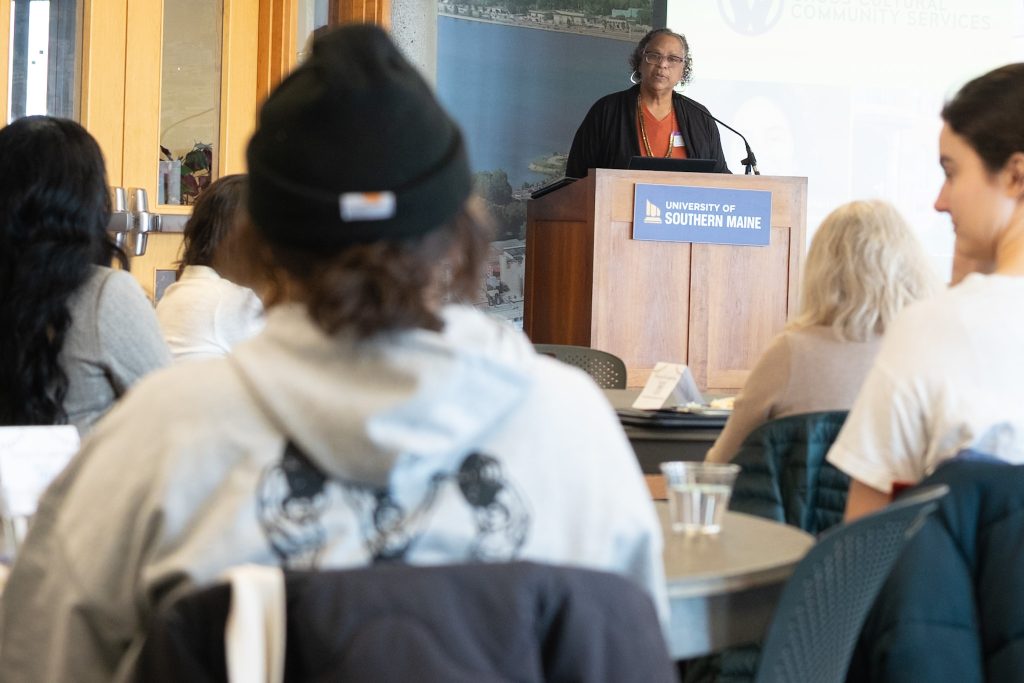
CCCS Co-Founder Regina Phillips kicked off the fair by speaking about this political climate as an opportunity to “convert heightened awareness into community-driven progress.”
Keynote speaker Melissa Hue, currently the director of Portland’s Office of Economic Opportunity, used civil rights activist Fannie Lou Hamer’s famous words “sick and tired of being sick and tired” as the organizing theme of her speech, which was essentially a call to action.
ADVERTISEMENT

Describing racism as a social construct, Hue said racism has been a public health issue since slavery began in the Americas. She explained that people of color are literally sick – disproportionately bearing the burden of poor health, such as higher rates of cancer, high blood pressure, diabetes, and heart disease, in addition to the cumulative mental health trauma of daily exposure to racism – because they live in an unjust and inequitable society.
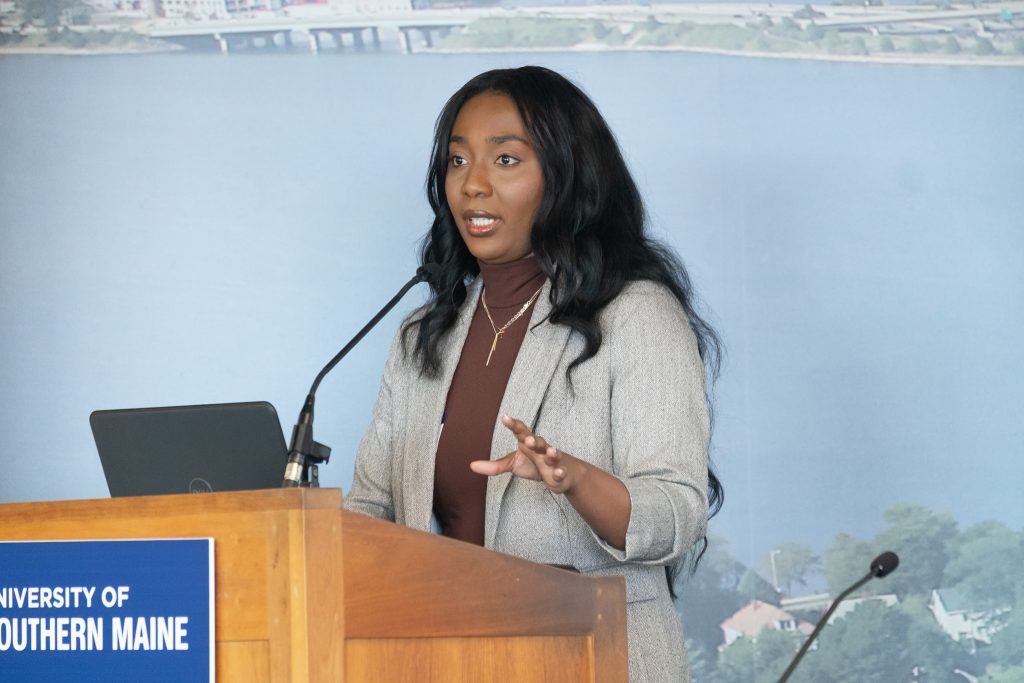
Hue closed her talk by calling upon the collective community gathered in the University of Southern Maine’s Glickman Library to “build systems that value every life equally, that see humanity in all of us, because Maine, in particular, can do things differently. Our state can serve as a model for the rest of the nation.”
“Barriers to Care,” the first panel of the gathering, underscored the importance of Hue’s keynote address by sharing panelists’ personal experiences of racism’s devastating impact on public health. Moderated by Lee Klarman, Director of United Way of Southern Maine’s Healthy Community program, the 90-minute discussion included an examination of barriers to accessing the healthcare system and best practices for providing inclusive care. Panelists provided local examples of effective organizational efforts to address health disparities, which are preventable differences in healthcare access and health outcomes that can be linked to economic, environmental, and social disadvantages.
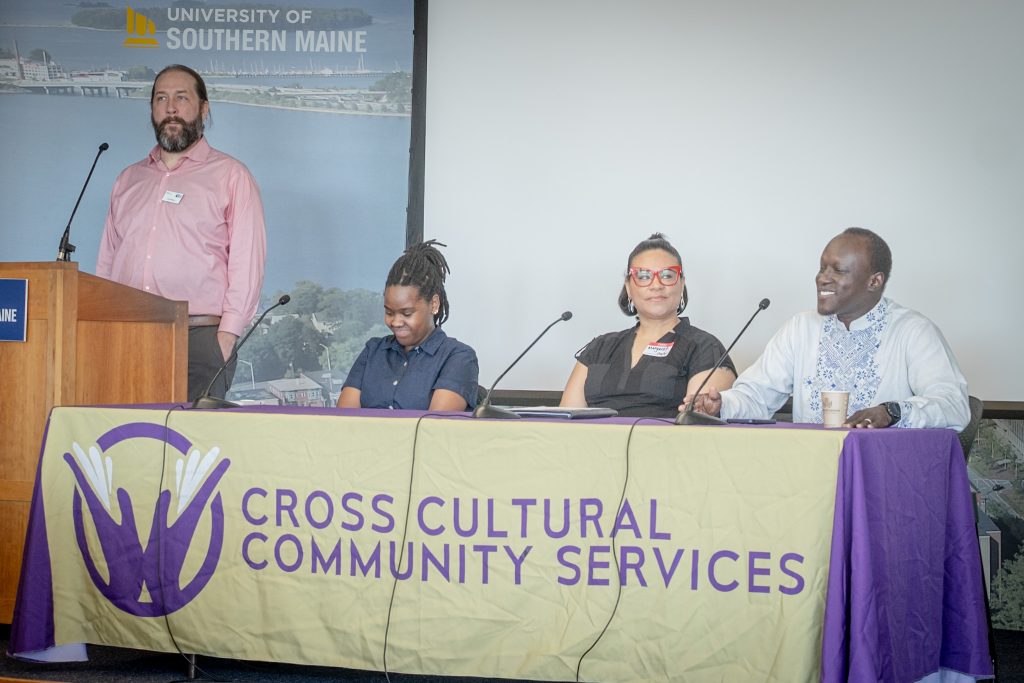
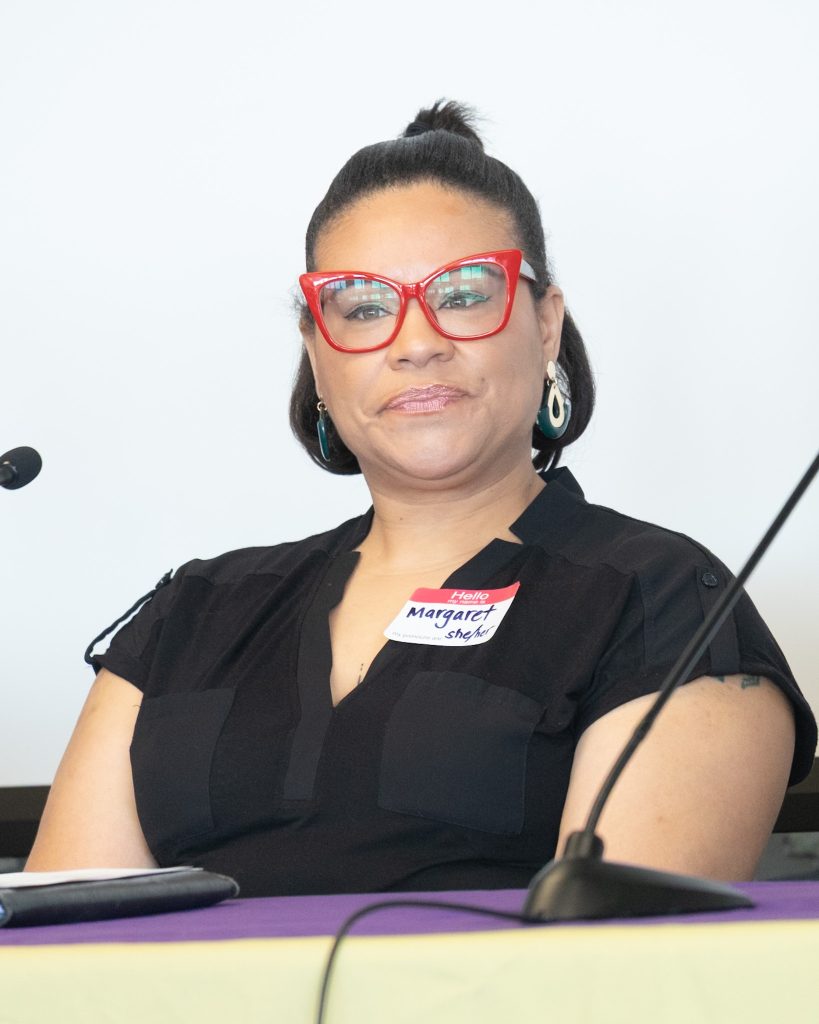
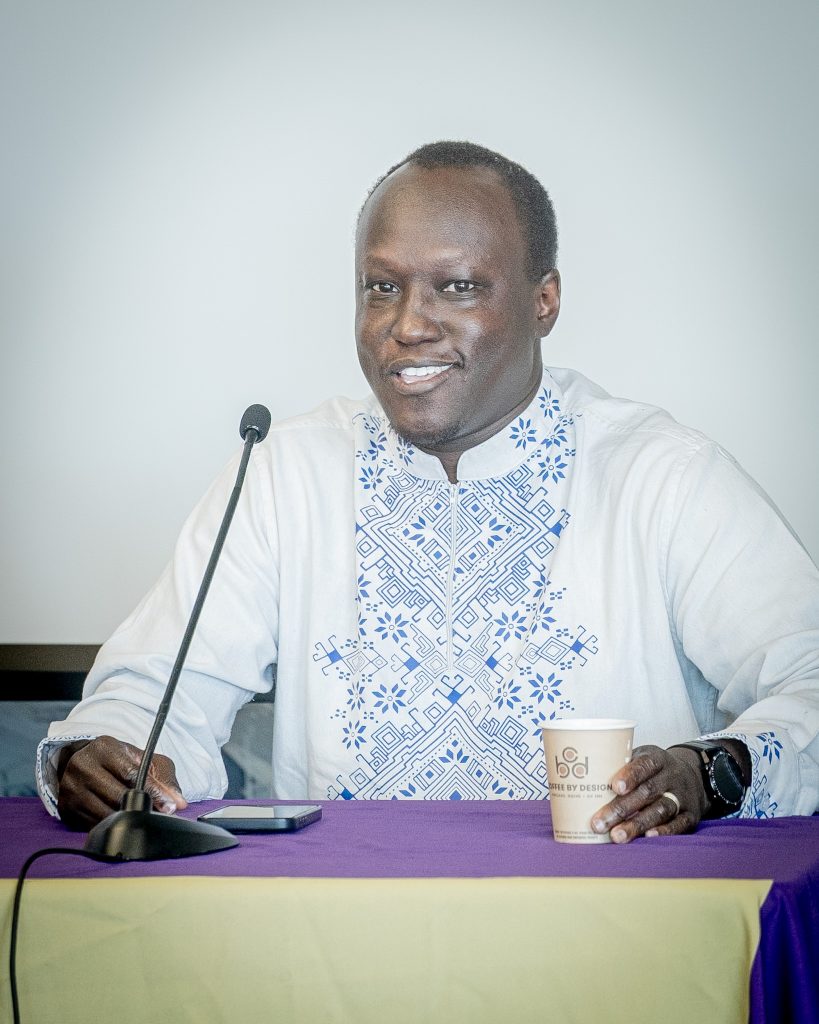
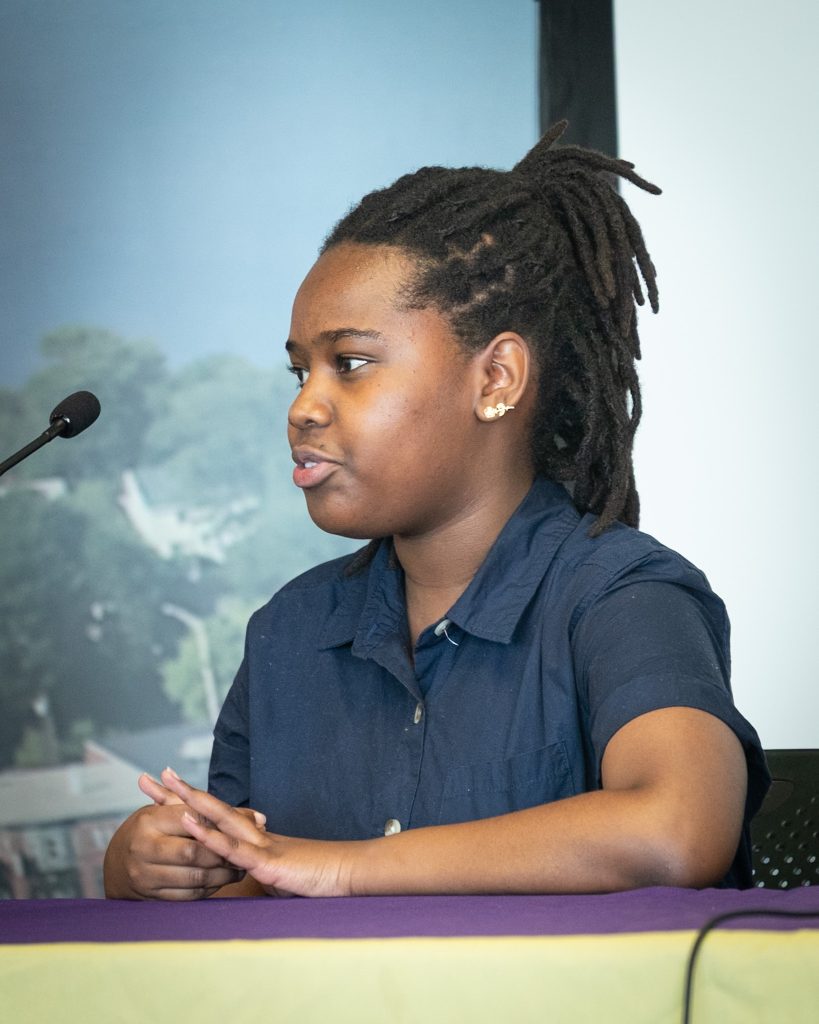
Panelists Malual Mabur, Ange Briella Ntungane, and Margaret Brownlee spoke about such barriers to care as the lack of interpreter services, inadequate multilingual signage and health information in healthcare settings, inadequate public transportation, the complexity of the U.S. healthcare and health insurance systems, insufficient (or nonexistent) cultural competency training for healthcare providers, and the shortage of cultural humility and power imbalances within the healthcare system.
Mabur, who trained to be a doctor in Sudan and completed a master’s degree and fellowships in international health and tropical medicine at the University of London, now works as a certified physician’s assistant at Maine Medical Center in Portland. Brownlee has been a diversity, equity, and inclusion specialist in a number of organizations, and currently serves as a DEI consultant at MaineHealth. Ntungane is a student at University of Southern Maine, and Youth Coordinator for the nonprofit In Her Presence.
The fair’s second panel, “Reproductive Justice,” pointed to the connection between our nation’s long history of white supremacist, classist, and transphobic violence and an assault on the human right to maintain personal bodily autonomy, and parent one’s children in safe and sustainable communities. The moderator was Leslie Hill, Harward Center Faculty Fellow and Professor Emeritus of Politics at Bates College, and the three panelists were Oronde Cruger, Executive Director of Speak About It; Nuna Gleason, Executive Director of Wounded Healers International and creator of Maine Afro Yoga Project; and Olivia Pennington, Director of Advocacy and Community Engagement at Maine Family Planning and a professional doula.
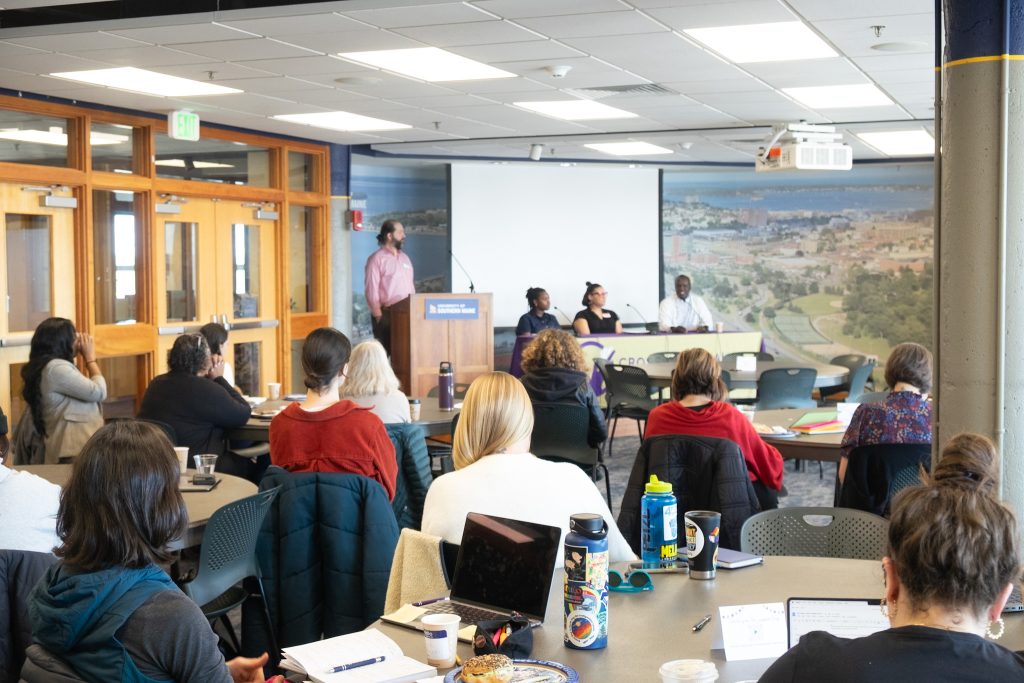
Near the end of the first day’s sessions more than 20 middle schoolers from Westbrook’s Intercultural Community Center afterschool program filed into the Glickman Library. Invited to attend by CCCS, the youngest attendees peppered panelists with questions that clearly touched the audience.
The children asked Susan Roche, Immigrant Legal Advocacy Project’s (ILAP) Executive Director, whether they should run away if U.S. Immigration and Customs Enforcement (ICE) came to their home, whether they should try to tell ICE that their neighbors were good people, and what would happen to them if they were born in the U.S. but their parents were detained by ICE. The children’s questions, and their obvious emotion, made clear the impact of fear, stress, and uncertainty on educational success, health, and well-being.
This year, more than any other in its five-year history, the CCCS Wellness Fair offered a place for those most vulnerable to share support, inspiration, and courage.