By Carylssa Baker
Francie Latour, author of the picture book Auntie Luce’s Talking Paintings and co-founder of the social justice program for kids called Wee The People, urged educators at a recent Colby College conference to “invite kids to reimagine the world.”
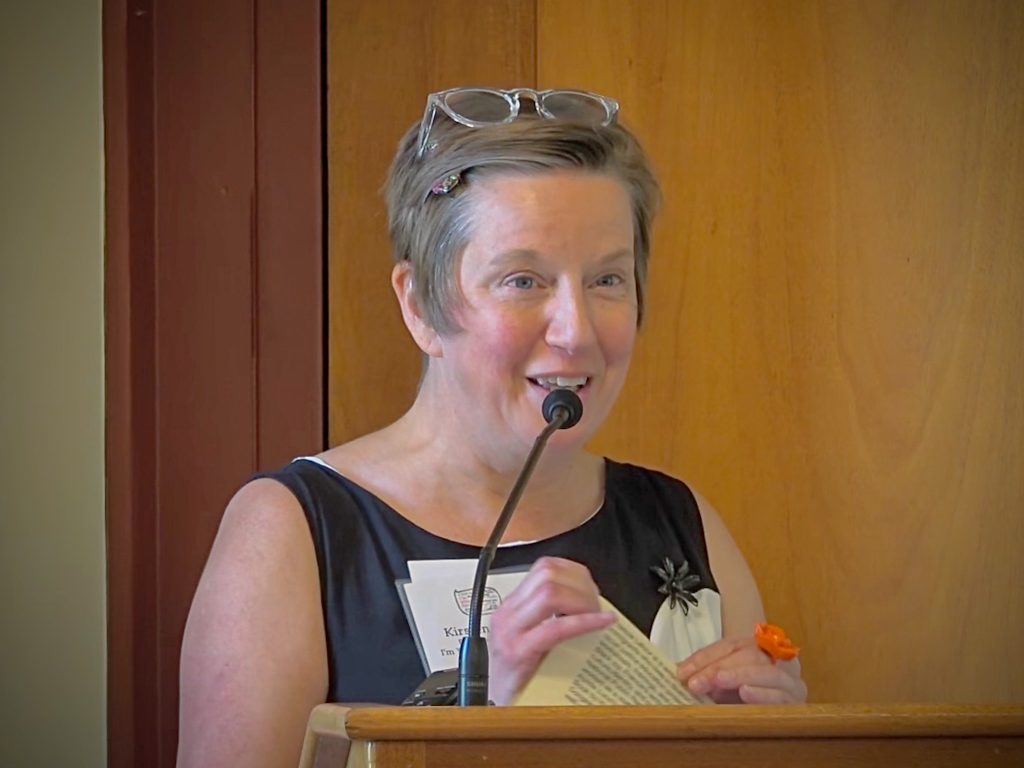
Over 80 Maine librarians, K-12 teachers, and college professors gathered on August 11 for the third annual MCSTOYA Connects conference, hosted by the Maine County and State Teachers of the Year Association in partnership with I’m Your Neighbor Books, this year with the theme “Migration Reads.” The event focused on diversifying classroom book selections to better reflect immigrant experiences.
Many educators shared a common motivation for attending: to better represent the students they serve. One teacher, who works with multilingual learners, said, “I want to find books that these students can resonate with.” Others shared how this event has become a yearly tradition for them.
Teachers, especially from rural areas, noted rising tension and racism in their classroom under the new federal administration. They stressed the urgent need for diverse books to counteract hate and support better discussions.
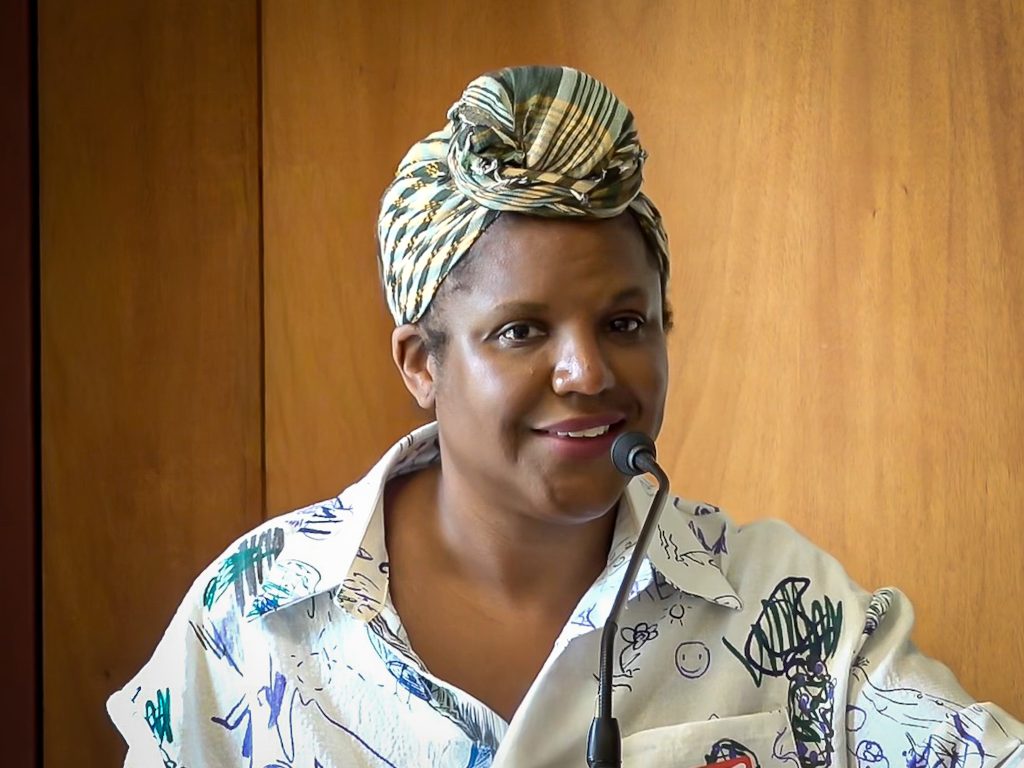
After refreshments and informal conversation among the educators, Abusuana Micky Bondo, Co-Founder of In Her Presence, gave a talk titled “Belonging Through Reading” about how literature can foster identity and belonging in students. She offered honest, practical advice for supporting student identities in classrooms.
Bondo shared how her father gave her books about her culture while she was growing up, helping her develop confidence. She emphasized how transformative that knowledge was and how schools must do the same: “Let students know who they are is enough.”
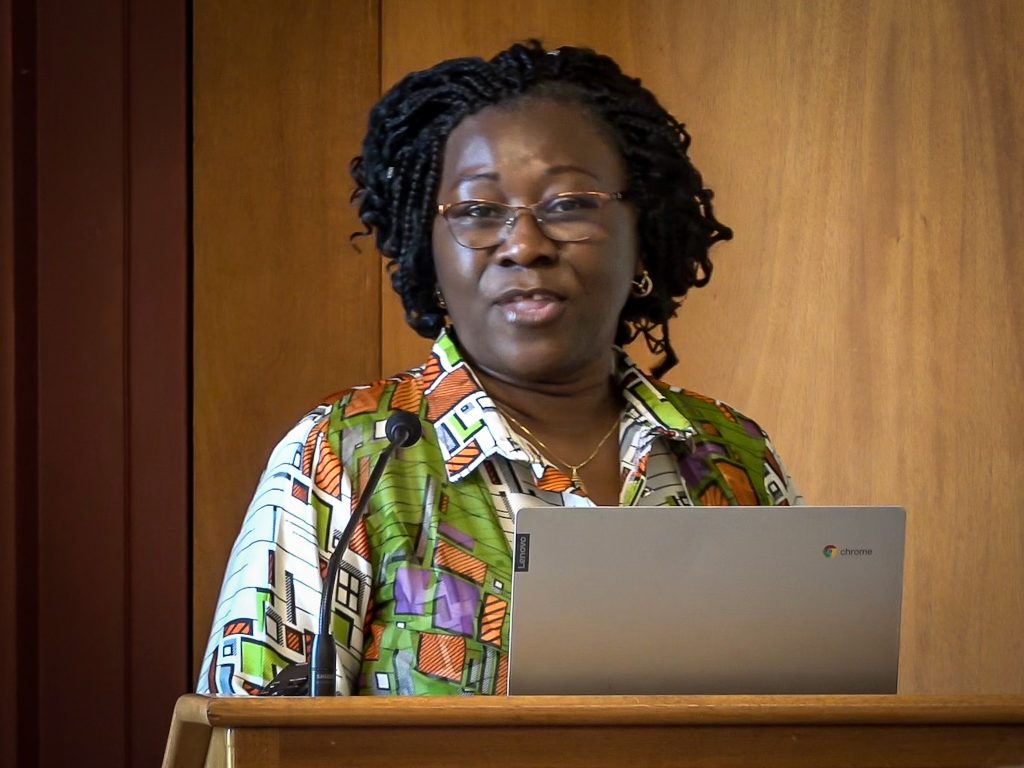
She warned of the harm in centering only one culture in the classroom, explaining that it creates false narratives and erases global connection. “The first challenge in the context of education is the danger of a single story,” she said.
Asked what immigrant families need from schools, Bondo replied, “Sometimes we need to find kids where they are at. We need to engage parents and bring them to the table.”
ADVERTISEMENT

In response to a question about how to stay motivated despite pushback, Bondo pointed to the students: “Our fight is in making sure kids are safe.”
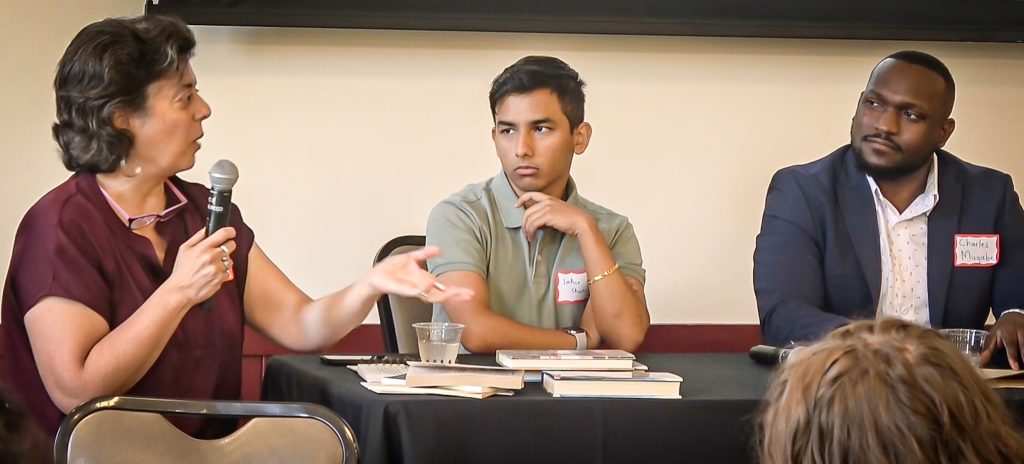
After Bondo’s talk, participants joined breakout sessions, including a panel titled “First Generation Americans Reflect on Fiction and Belonging.” The panel explored how books like Effren Divided, Kareem Between, Go Home, and Count Me In reflect first-generation Americans’ experiences and build belonging in classrooms.
Maria Testa, author of Something About America, moderated the panel, along with Lochan Sharma, co-author of Go Home, and Charles Mugabe, Assistant Director of Refugee and Immigrant Services at Catholic Charities Maine.
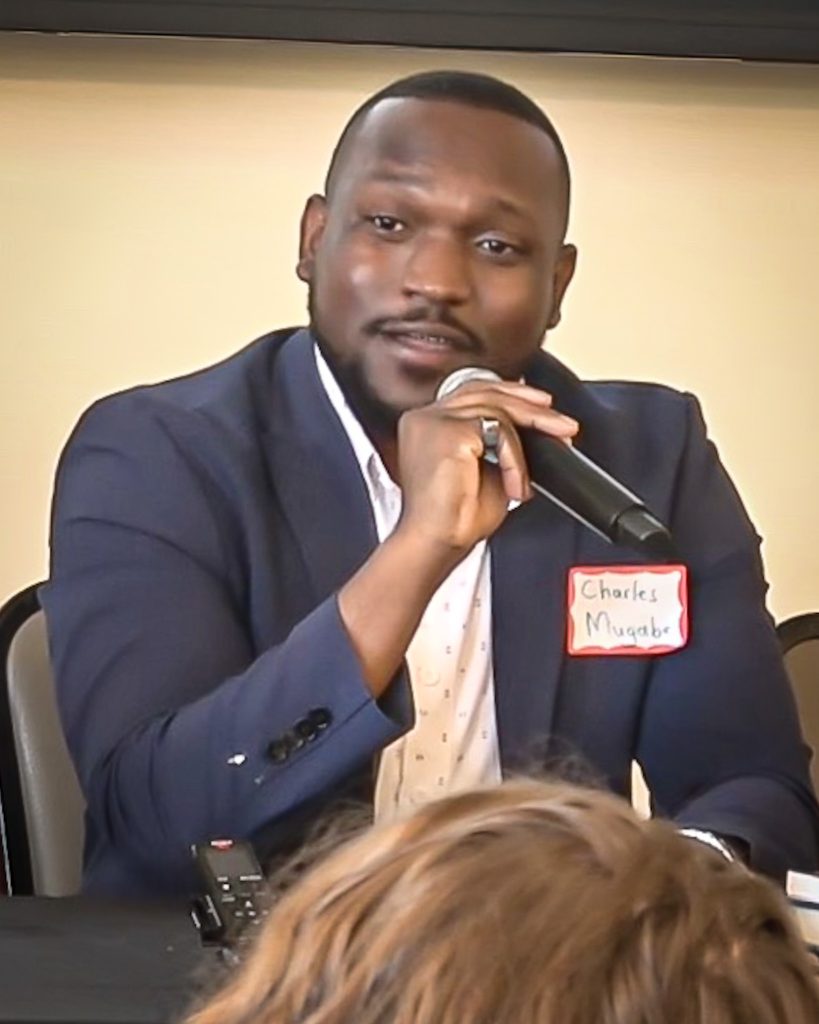
Testa described these books as mirrors of the last decade in America. “These books are taking us on a walk through the past 10 years of our country,” she said, and emphasized how these stories offer students context, humanity, and a way to discuss difficult realities.
She also stressed the importance of learning from students. “I have learned more about these issues in middle schools than anywhere else,” she added. “How we talk to kids is so much more important right now than anyone knows.”
Asked about changes under the new administration, Sharma described growing fear in his community. “People I know who are here legally are now much more scared … not knowing if they will sleep in the same bed that night.” He noted that this fear is represented through the stories discussed and reflects the reality of many.
When teachers asked what they could do despite pressure to stay silent, Mugabe said, “Solidarity is more important now than ever … the legal need is there, but so is the social need.”
The panel highlighted how these books connect students to real-world struggles and offer hope. As Testa said, “Despite these terrible hardships, these are books about hope.”
After the panel, educators met in small groups to share key takeaways and discuss how they can bring these books into their classrooms.
“These Hyphens Run Deep,” Latour’s closing keynote speech, explored immigrant identity through children’s literature. Latour, who was born in the U.S. to Haitian parents, read from her picture book, which includes Haitian Creole. She said she views the inclusion of Haitian Creole as a form of “Black innovation and radical resistance.”
Latour explained that when she teaches her book in classrooms she often begins with an activity she calls “Re-Imagining Passports” where students use a collage technique to create their own pretend passports as a “vision of what they want the world to be.” She explained that for many immigrant children, passports are seen as “instruments of legal violence.”
As participants created their passports, Latour shared how she connects with students when reading her book.
“Haitian kids are seeing their worlds light up,” she said.
While reading her book, Latour highlighted themes for classroom discussion, particularly the need to “rewire anti-Black narratives” and “put Blackness in the center of the frame.”
She emphasized that diverse books help create historical truthtelling, especially beyond Eurocentric narratives. “Getting kids to understand contesting dominant narratives” is essential, she said.
Latour wrapped up her talk with examples of youth-led resistance, including kids protesting with their roller skates.
Her final words of advice, which resonated with an audience eager to make their teaching as inclusive as possible, were “Use art as a vehicle for change.”