
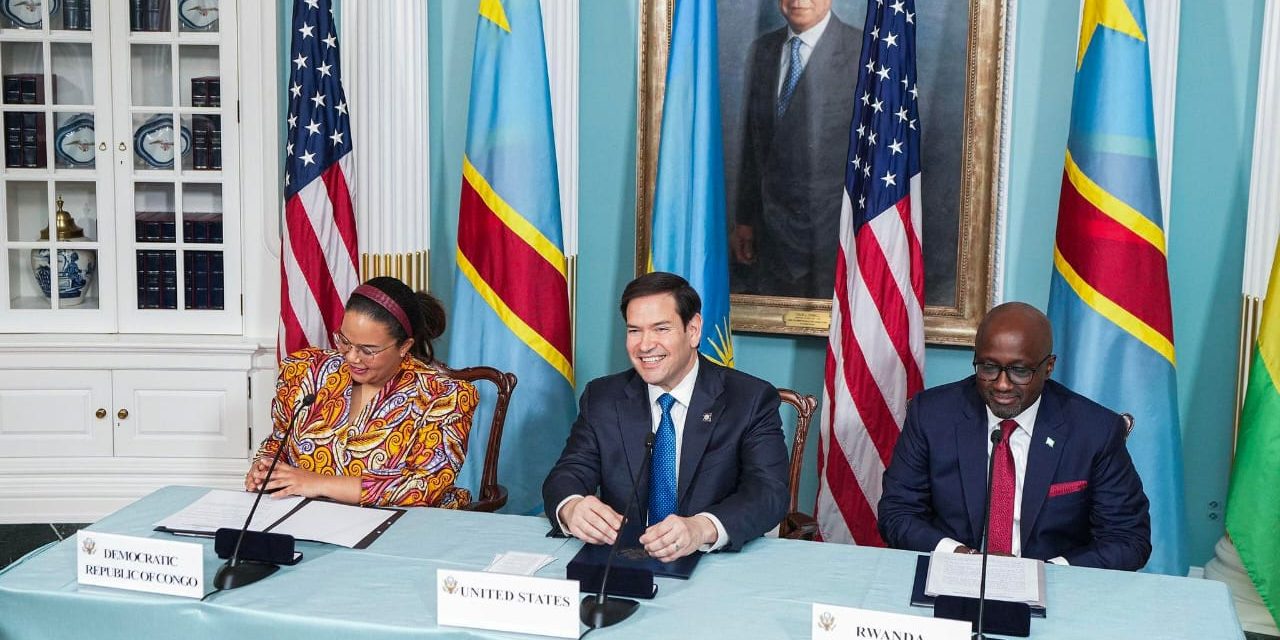
By Eloge Kaneza
Rwanda’s government has confirmed it is engaged in discussions with the United States to receive migrants facing deportation from American soil, rekindling memories of the controversial – and ultimately scrapped – deal that Kigali had previously signed with the United Kingdom.
In an interview on Rwanda Television (RTV) on May 4, Minister of Foreign Affairs Olivier Nduhungirehe acknowledged that the conversations are still at a formative stage.
“Yes, we have been approached by the United States to explore a partnership concerning migrants who are facing deportation,” Nduhungirehe said. “However, let me be clear: these are preliminary talks. Nothing concrete has been signed, and the details are still under negotiation. Rwanda is always ready to play a constructive role in addressing global migration challenges, in a way that respects human dignity.”
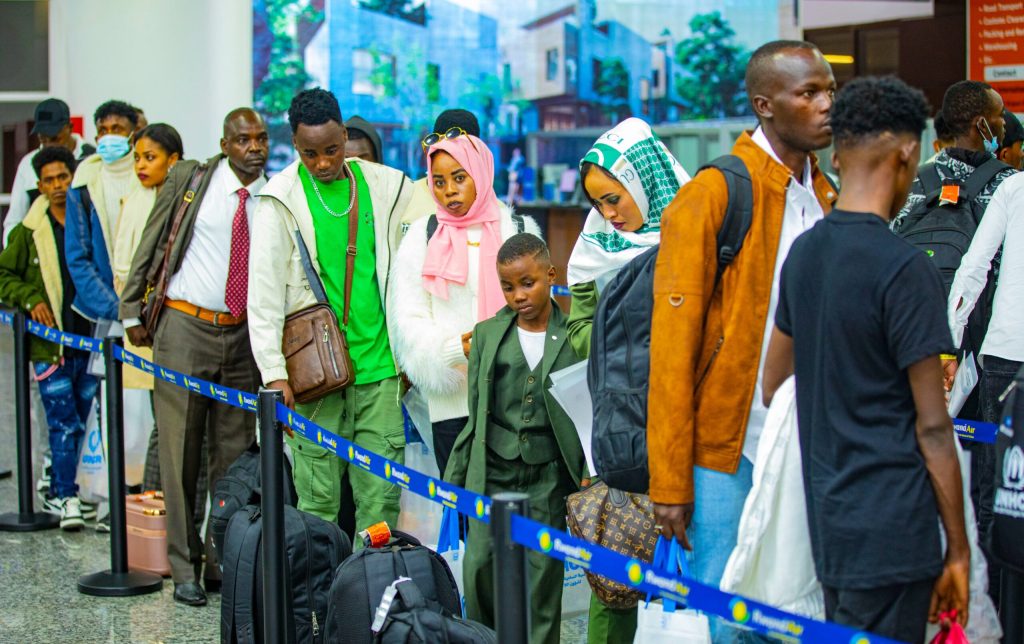
Photo: Refugees from Libya, welcomed at Kigali (Rwanda )airport. Credit: Pierre Claver Niyonkuru
The news places Rwanda once again at the center of international migration policy debates. This potential deal bears similarities to the 2022 agreement between Rwanda and the U.K., in which Kigali agreed to accept asylum seekers who were trying to find safety in Britain. That plan faced widespread criticism and legal hurdles and was eventually canceled in 2024 by British Prime Minister Keir Starmer’s government. Rwanda has since sought compensation from the U.K., reportedly amounting to around £50 million for the failed initiative.
ADVERTISEMENT

U.S. “border czar” Tom Homan confirmed the talks, saying, “We are exploring new partnerships to manage migration challenges, and Rwanda has shown itself to be a willing and reliable partner in these early conversations.
“It’s important for us to work with countries that are committed to providing safe and humane conditions for migrants, and we believe Rwanda can meet that standard,” he said.
Homan also highlighted the difficulties the U.S. faces in deporting certain migrants: “We are dealing with people whose home countries refuse to take them back. In those cases, we need credible partners like Rwanda to help us uphold our immigration laws humanely.”
This move is part of a broader push by President Donald Trump’s administration to seek additional countries – beyond existing partners like El Salvador – that are willing to accept deportees. Speaking at a Cabinet meeting, U.S. Secretary of State Marco Rubio emphasized that the administration is expanding efforts to find international partners. “Not just El Salvador,” he said. “We are working with other countries to say, ‘We want to send you some of the most despicable human beings to your countries.’ ” Rubio did not specify which nations were under consideration but added bluntly, “The further away from America, the better.”
Rubio reiterated this stance on March 30 during a press briefing, stating, “We are determined to find durable solutions for dealing with individuals who have no legal right to remain in the U.S. We are in advanced conversations with multiple countries, and we hope to announce additional agreements soon.”
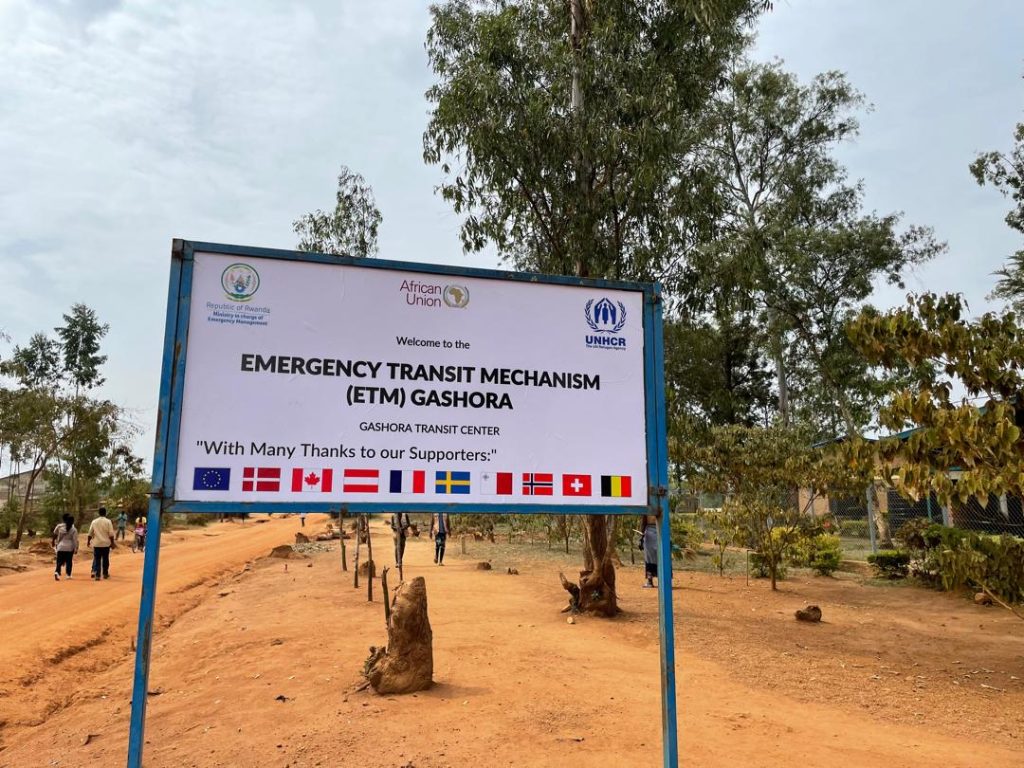
Photo :Gashora (East of Rwanda) , a center for refugees from Libya. Credit: Pierre Claver Niyonkuru
The U.S. has recently introduced a policy providing incentives, including $1,000 in cash and travel assistance, to encourage undocumented immigrants to leave voluntarily – a strategy that dovetails with this potential Rwanda arrangement.
However, serious concerns about the idea of relocation to Rwanda remain. The United Nations refugee agency (UNHCR) has warned that deportees relocated to Rwanda risk being sent onward to the very countries they originally fled from, raising fears of potential refoulement.
Rwanda has firmly rejected these allegations, accusing UNHCR of lying.
While Rwanda has taken the lead in these talks, the U.S. has also approached several other African countries about similar deals. Angola and Equatorial Guinea have reportedly been contacted to explore the possibility of accepting deportees. Uganda has also been included in lists of countries that may be considered for such arrangements as part of the U.S. immigration crackdown, but there has been no confirmation from Ugandan officials regarding their willingness to accept these individuals.
Rwandan Foreign Minister Olivier Nduhungirehe reminded other African partners of the need for solidarity, saying, “Rwanda is not alone in this. Many African countries have expressed a willingness to be part of global solutions, and we hope to see more tangible commitments from our brothers and sisters across the continent.”
As negotiations with the U.S. continue, human rights organizations and international observers will be watching closely to see whether this new arrangement can avoid the pitfalls that derailed the Rwanda-U.K. agreement – and whether it sets a new precedent for international cooperation around migration enforcement.







