By Andy O’Brien
The Rockland City Council voted 4-1 on Tuesday to pass both an prohibiting police and other city employees from assisting or cooperating with federal authorities on immigration enforcement without a judicial warrant. Voting in favor of the measure were Councilors Nate Davis, Kaitlin Callahan, and Penny York. Mayor Adam Lachman also voted in favor of the ordinance. Councilor Nicole Kalloch, who is running for Maine Senate District 12, was the sole dissenting voice. The new rules will go into effect in 30 days.
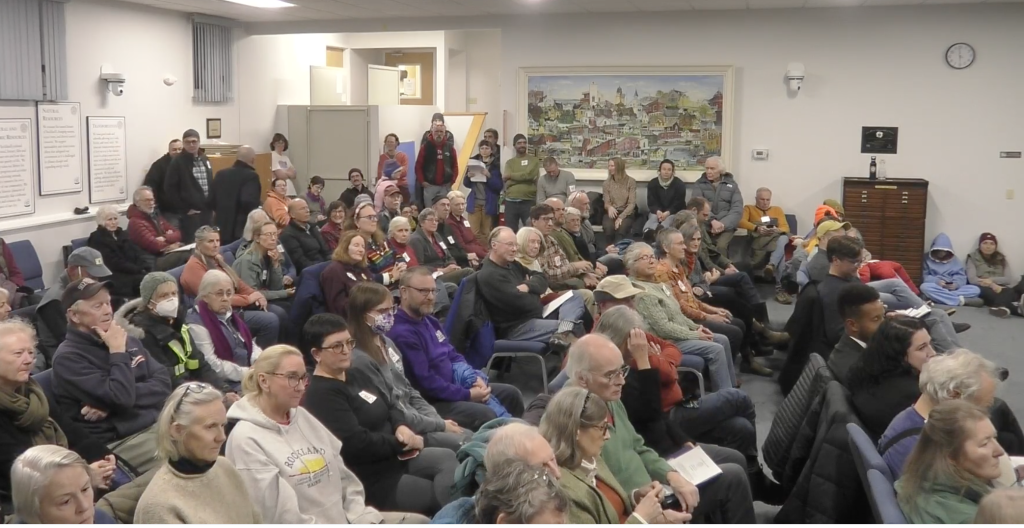
The ordinance states “Employees and resources cannot be used to assist, cooperate with, or facilitate any federal agency in any immigration enforcement operation, except where legally required to do so by state or federal law or court order.”
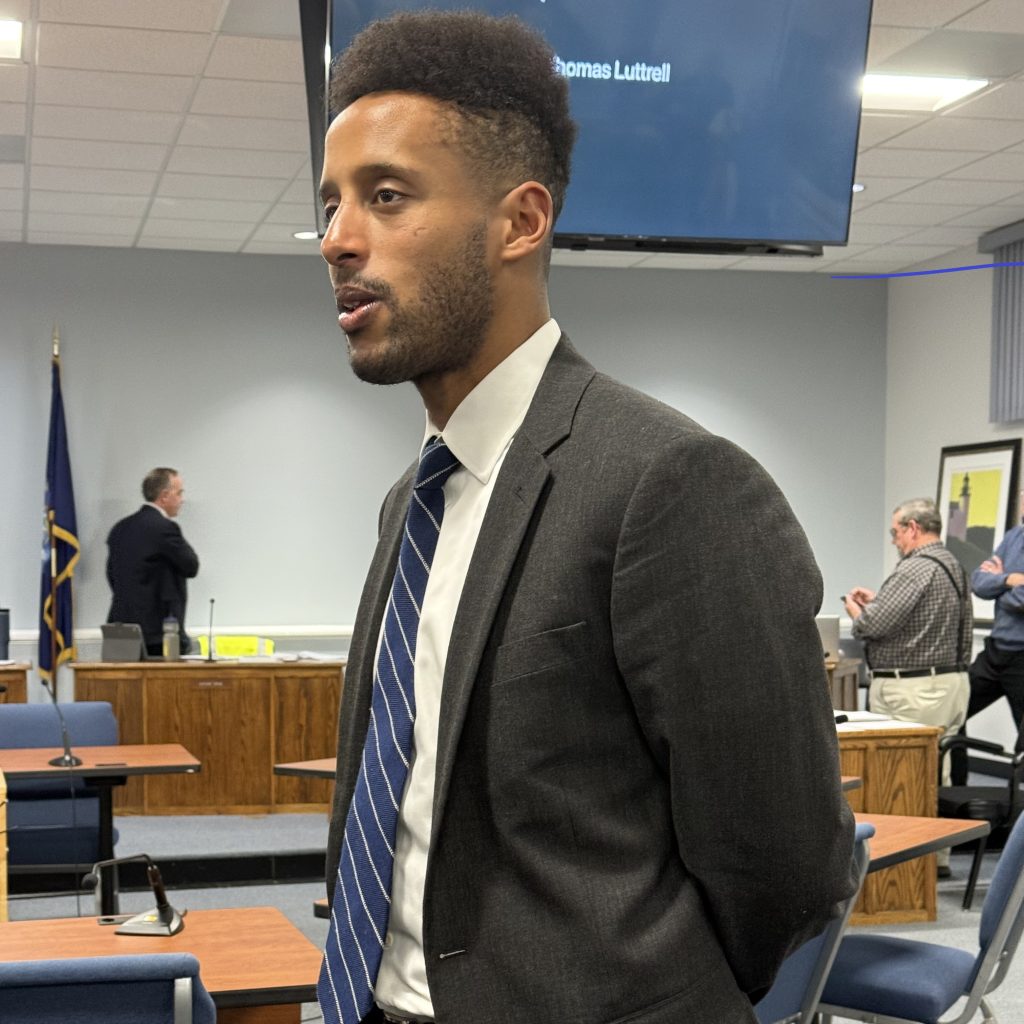
Callahan, who sponsored the ordinance, worked on it in collaboration with the ACLU of Maine and Rockland Police Chief Tim Carroll. After January 8, 2026, police will no longer be able to notify immigration authorities of traffic stops for minor infractions. In addition, they will not be able to provide Immigration and Customs Enforcement (ICE) and Customs and Border Protection (CBP) access to people detained or in custody, except when presented with a proper judicial warrant as part of an investigation into serious crimes such as human trafficking, or sex, drug, or firearms trafficking.
“This ordinance is not about opening borders or coddling violent criminals,” said Callahan. “It is a fundamental refusal to allow Rockland tax dollars or city employees to participate in action that history shows us is driven by hate and bigotry, eerily reminiscent of the very darkness fought in World War II. It is about predicting due process guaranteed to every individual on US soil by the Constitution.”
In addition, the ordinance includes language banning the sharing of immigration status and other personal information about residents with immigration enforcement, unless agents present a judicial warrant. The ACLU included this prohibition in the ordinance in response to actions by President Donald Trump’s administration, which has been seeking voter data and other sensitive information from state and local government.
Rockland Police Chief Tim Carroll was not in attendance at the meeting, but expressed concerns about the proposal in an email to the City Council. However, Callahan emphasized at the meeting that the “ordinance is not a punishment or a negative reflection on the Rockland Police Department.”
ADVERTISEMENT

The ACLU of Maine hailed passage of the ordinance.
“Maine’s elected leaders should do all they can to protect their communities, and we are thrilled that Rockland has taken this decisive action,” said Michael Kebede, policy director at the ACLU of Maine. “Measures like this preserve local resources for local priorities, ensure Maine towns and cities are not complicit in or liable for federal abuses of power, and improve public safety by building trust between local law enforcement and the communities they are supposed to serve.”
This year, the Portland-based Immigrant Legal Advocacy Project has tracked 22 minor traffic incidents in which at least 50 people have been handed over to immigration officers based on their suspected immigration status alone. At a previous Rockland City Council meeting, ILAP verified that local police, sheriffs, and state police have handed over Maine residents with lawful immigration statuses, valid work permits, and no criminal history – who were engaged in lawful immigration processes.
About 20 Rockland residents testified in support of the ordinance. Several spoke of the contributions immigrants have made to the nation and the Rockland community. Retired local teacher Paul Desaulniers told the Council that he is the first of his generation to speak English and expressed fear that he could be targeted by immigration enforcement due to his “funny accent.”
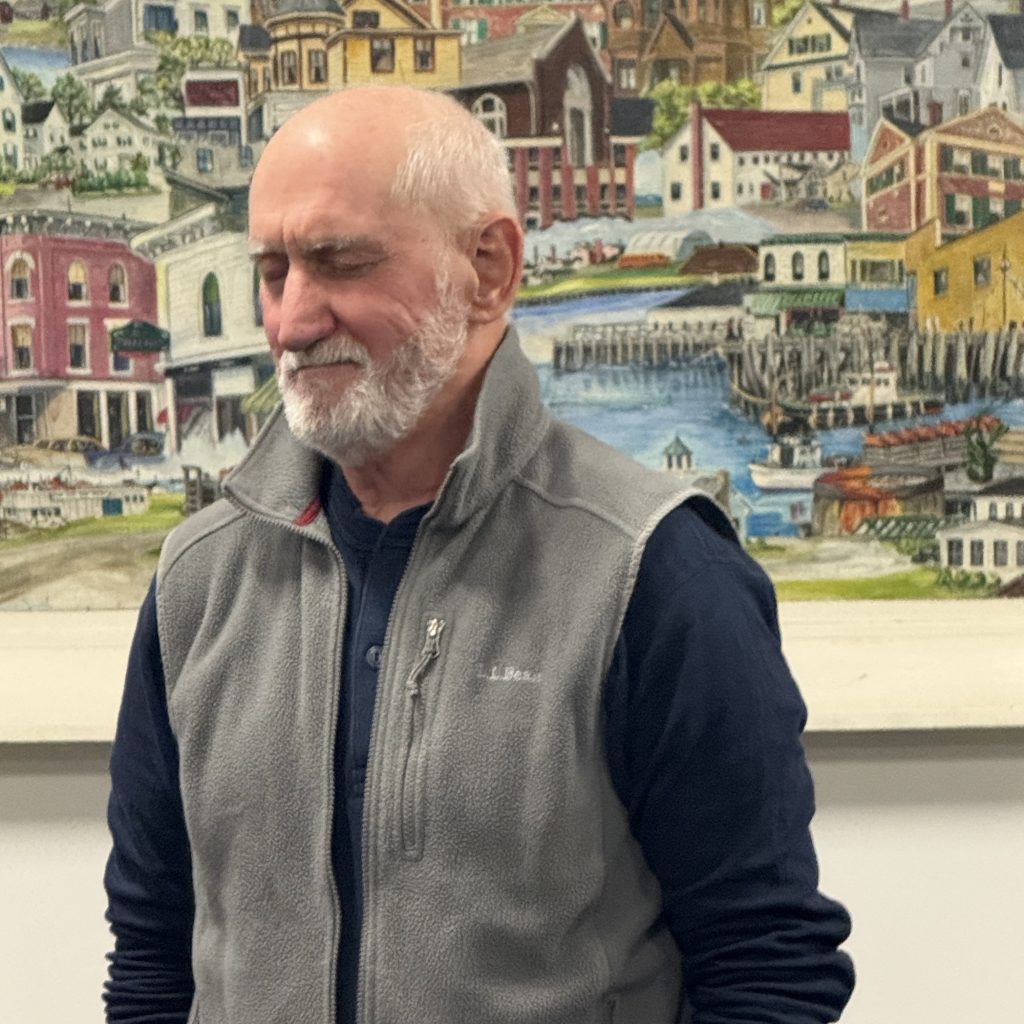
“We need to step up and we need to do what’s right,” said Desaulniers. “And it begins in small communities. [It] doesn’t begin in DC. All they care about is who’s paying for the next cocktail.”
Rockland resident Susan Folk told the council that she is the daughter of a French immigrant and the granddaughter of a woman who ran guns for the French resistance against the Nazis in World War II. She urged the council to support the ordinance because of the sacrifices immigrants have made for this country and compared the current administration to fascist governments in the 1930s.
“I look like you, but I am one of the ones that some wish to exclude from this society,” she said. “I’m the same as my brown and black brothers and sisters who came or whose parents came to the US for a better future. And make no mistake, our families have spilled blood on many continents fighting tyranny, fascism, hate, and bigotry.”
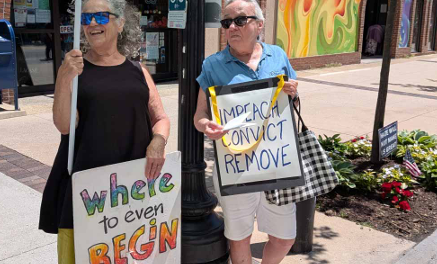
Opponents of the ordinance, including a 13-year old boy, have given racist tirades to the Rockland City Council characterizing immigrants as violent criminals and “invaders.” Councilor Callahan addressed some of the vitriolic racism expressed in comments at the City Council and on social media.
“We cannot and we will not be silent about the neo-Nazi and white nationalist rhetoric that has slithered into our civic dialogue… Our history, our national character is defined by immigration,” she said. “Our local economy in Rockland is driven by diversity and we will not cower to those who seek to use fear as a weapon to normalize cruelty.”
Earlier this year, the Town of Wells was the only municipality in Maine to enter into an agreement with ICE , but after months of pro-immigrant activism, Wells withdrew from that agreement.
An October 2025 poll found that a majority of Maine voters said they disapproved of “the way the U.S. Immigration and Customs Enforcement, known as ICE, is doing its job.” More voters in both of Maine’s congressional districts disapprove of ICE than approve, the poll found.
In a press release following the vote, the ACLU of Maine called on Governor Janet Mills to allow a bill (LD 1971) to go into law that would limit law enforcement statewide from assisting ICE and the CBP with civil immigration enforcement.
The measure passed the both the Maine House and Senate earlier this year, but Gov. Mills held it over until the next legislative session beginning in January 2026. At that point, she will have three days to either veto LD 1971 or allow it to become law without her signature.
“Now is the time for Maine to make clear that we care about the safety of the thousands of people legally working in critical industries in every part of the state who came here to build a better life for their families,” said Kebede of the ACLU of Maine.