By Ignatius Ssuuna
KIGALI, Rwanda — Rwanda’s capital city of Kigali is gearing up for tomorrow’s September 21 launch of the UCI 2025 Road World Championships event, and one wish is uniting cycling fans – to make Africa’s first-ever time hosting the global event a success. This will be the first time in its storied 103-year old history that the UCI Road World Championships will take place anywhere on the Continent.
The choice of Kigali as a location demonstrates how far Rwanda has come since the infamous 1994 genocide, in which more than 800,000 Tutsi died, along with the Hutus who tried to protect them. The Genocide against the Tutsi in Rwanda is considered one of the worst atrocities of the 20th century. But Kigali is a very different place than it was thirty-one years ago, at the end of the 100-day genocide, which brought the country to its knees.
Under the leadership of President Paul Kagame, the capital sports the look of a thriving modern city: the streets are clean and free of potholes; the city is full of new buildings, including hotels, impressive multi-sport facilities such as the BK Arena, and a huge convention center.
Rwandan fans of cycling are thrilled that the race will take place in Kigali.
“We’ll cheer so loud that the world can hear us,” vowed Jean de Dieu Uwimana, a 35-year-old cycling fan, who has long followed the Tour du Rwanda, one of Africa’s most celebrated cycling events. And Uwimana is not alone. A passion for cycling has swept the country, which has held the elite Tour du Rwanda for years now.
However, given ongoing conflict in neighbouring DR Congo, where Rwanda is accused of backing the M23 rebel group that has killed civilians and displaced millions of people, the UCI, cycling world’s governing body, faced a difficult decision: should they go ahead and hold the event in Rwanda, or call it off? In the end, the UCI decided to allow the event to take place.
Rwanda Cycling Federation’s Vice President Valantin Bigango is thrilled: “We’ve gone from community competitions to hosting the world,” he said, his voice ringing with conviction.
Anthere Rwanyange, the Secretary General of Muhazi Cycling Generation, one of Rwanda’s leading teams, shares Bigango’s enthusiasm: “This is about legacy, inspiring our young talents, growing tourism, also proving Africa is ready.”
Young riders dream big
Outside Kigali, at Africa Rising Cycling Centre, in the shadow of the Virunga Mountains, where mist clings to steep slopes, some of Rwanda’s riders have been training intensely for the eight day race, when elite cyclists from over 80 nations will converge on Rwanda.
ADVERTISEMENT

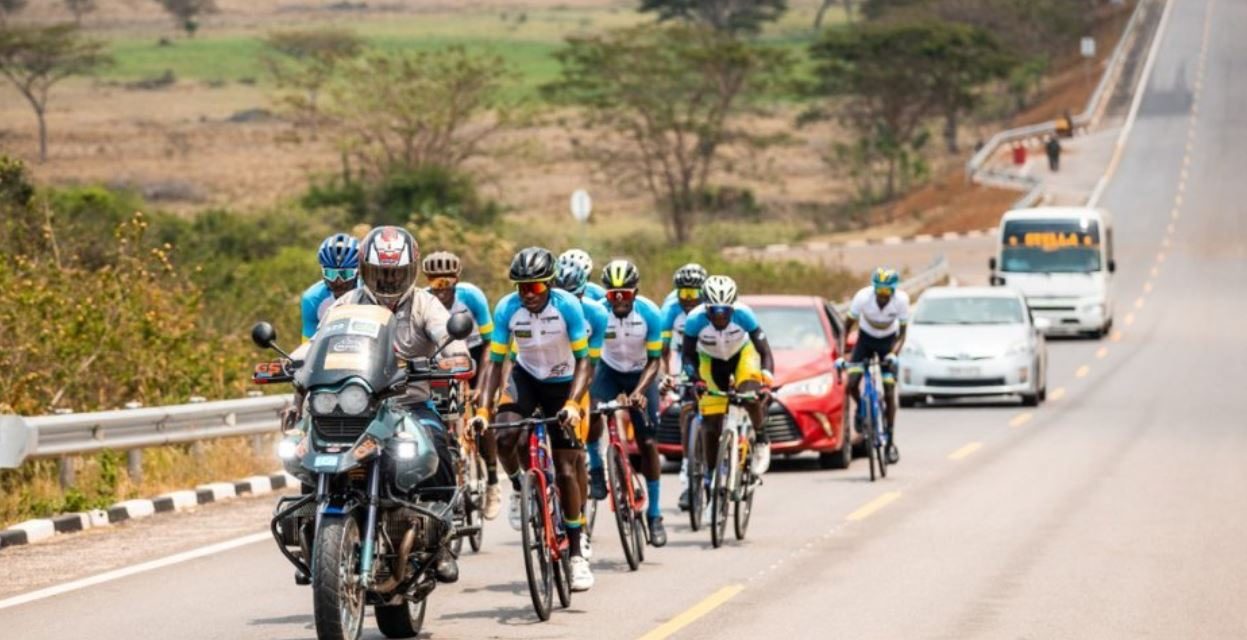
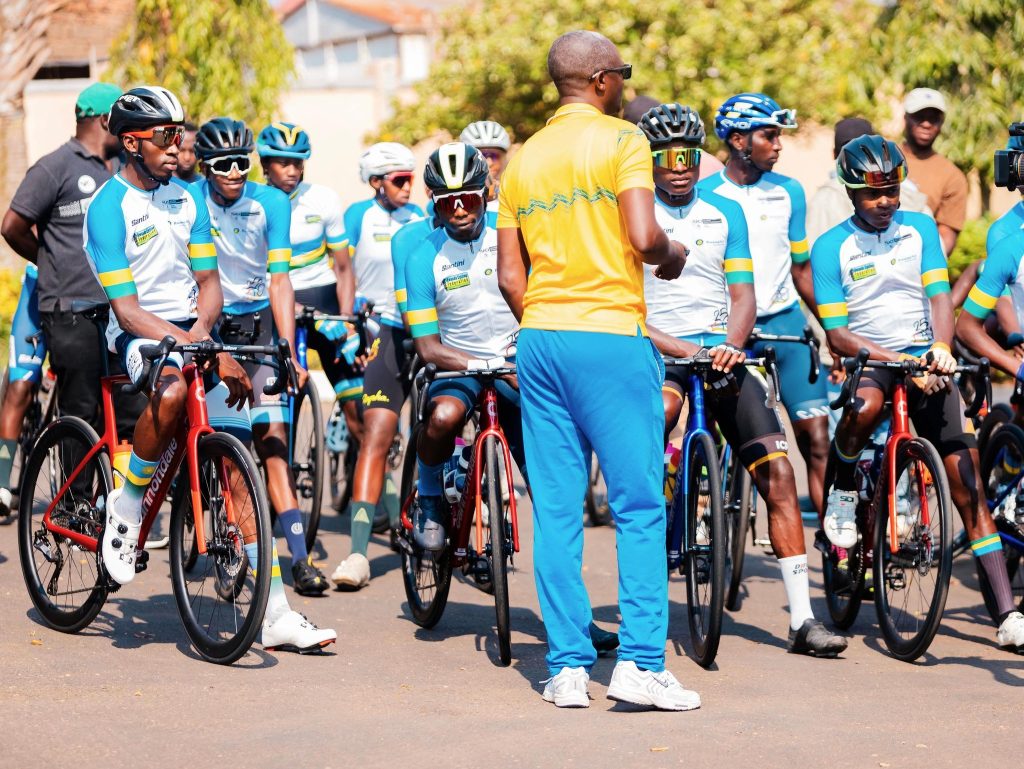
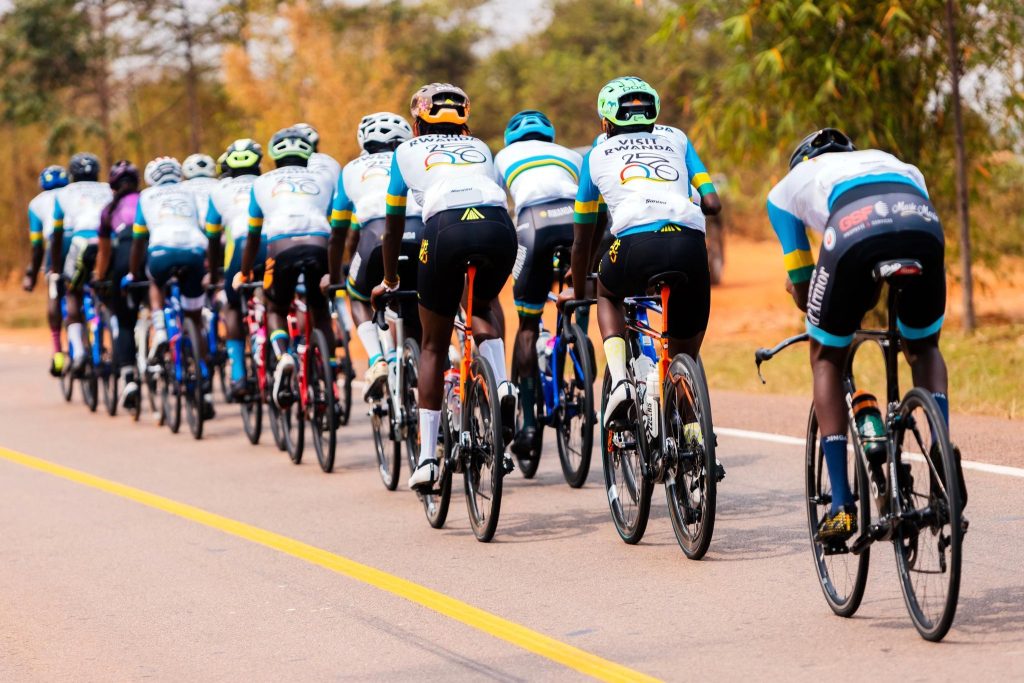
In preparation, the young riders of Africa Rising Cycling Centre, their faces taut with focus, have been training hard, attacking rugged terrain under the watch of their coaches.
“Climb like you mean it,” one coach shouts, and the riders dig deeper into their reserves, churning through winding tarmac roads, chasing dreams of competing with the world’s best.
In another training camp, in the eastern district of Bugesera, the muscles of a different team of Rwandese riders strain, their lungs burn, and dreams of global glory propel them forward through the “land of a thousand hills,” a nickname for Rwanda. The riders lean into each curve, tires humming against the blacktop as they attack the relentless terrain.
“It’s about the win and pride,” one of the riders says.
The men’s elite road race, which takes place over a punishing 273 kilometers, includes the notorious Mur du Kigali climb, with over 3,500 meters of elevation gain. It’s a climb that challenges even the strongest of riders.
And this year, as Rwanda welcomes over 7,000 international visitors, along with a global TV audience of 300 million, a new, under-23 women’s event joins the other 13 events.
For young riders, this event offers a moment of hope.
“This could open doors for us,” Rwandese cyclist Eric Manizabayo, a member of the country’s national team, told Amjambo Africa in an interview. “It’s also about my future and my family.”
Over the years, President Paul Kagame’s government has poured resources into sports, from the gleaming arches of the $100 million BK Arena to the Basketball Africa League, which is now valued near $1 billion, to say nothing of Rwanda’s soccer partnerships with Arsenal and PSG. And the Rwanda Cycling Federation has transformed dusty under-the-radar village rides into the UCI-sanctioned Tour du Rwanda, now one of Africa’s toughest stage races.The ambitions don’t end there, either – Rwanda is racing to host Formula 1’s first African Grand Prix since 1993, with a $1.2 billion circuit planned in the country.
Speaking in 2025 about the boost that sports can bring to a country, Kagame declared, “The sky is the limit,” at the opening of Zaria Courts, a sports facility in the heart of Kigali.
“And we also know that statistics show that even across Africa, in terms of sports, it’s running into billions as to what sports can bring to the continent, tens of billions. I think what we do as leaders at different levels is to encourage people to be part of realizing that story and reaping the benefits,” President Kagame said.
Kigali’s citizens weigh in
Speaking from the streets of Kigali, where streets are lined with market stalls, and boda bodas weave through traffic, fans are buzzing about the historic week ahead.
“This is our moment to show the world Rwanda’s spirit—we’ll line the hills and roar for every rider, like the whole city is pedaling together,” says Eric Mupenzi, a boda boda operator, navigating the capital’s police-controlled streets, his helmet tucked under his arm as he pauses to chat.
Ivan Tumusiime, a marketing executive grabbing coffee amid the morning rush, adds with a grin, “The energy here is electric; it’s not just a race, it is a win for our government.”
Meanwhile, beneath the shiny surface, fractures run deep. Rwanda’s critics living in exile accuse Rwanda of “sportswashing”, using the global events to obscure repression and instability.
Human Rights Watch and Amnesty International paint a grim picture of arbitrary detentions, enforced disappearances, and silenced dissent – all of which the government of Rwanda has denied repeatedly.
Leading opposition leader Victoire Ingabire has been re-arrested over an alleged plot against the government, and in 2024, U.S. senators urged the NBA to reconsider its ties with Rwanda, warning of complicity in human rights abuses.
Accusations of backing M23 rebels in eastern Congo continue to plague Kagame’s government. The M23 are accused of mass killings, systematic rape, and contributing to the displacement of over seven million people. A June 2025 peace deal evaded accountability, drawing UN condemnation, while U.S. sanctions targeted Rwandan officials linked to armed groups.
So while a Kimironko community leader in the capital praises the tourism boost that the cycling event will bring, he concedes, “Not everyone feels included. Some see these events as for elites, not all of us. Poverty is still rampant.”
Meanwhile, back in Bugesera, as the sun sinks low on another day of training, the cycling coach gathers his riders.
“Ride for Rwanda’s heart,” he urges, his voice thick with passion. “Right now, it’s our time for our country to shine.”