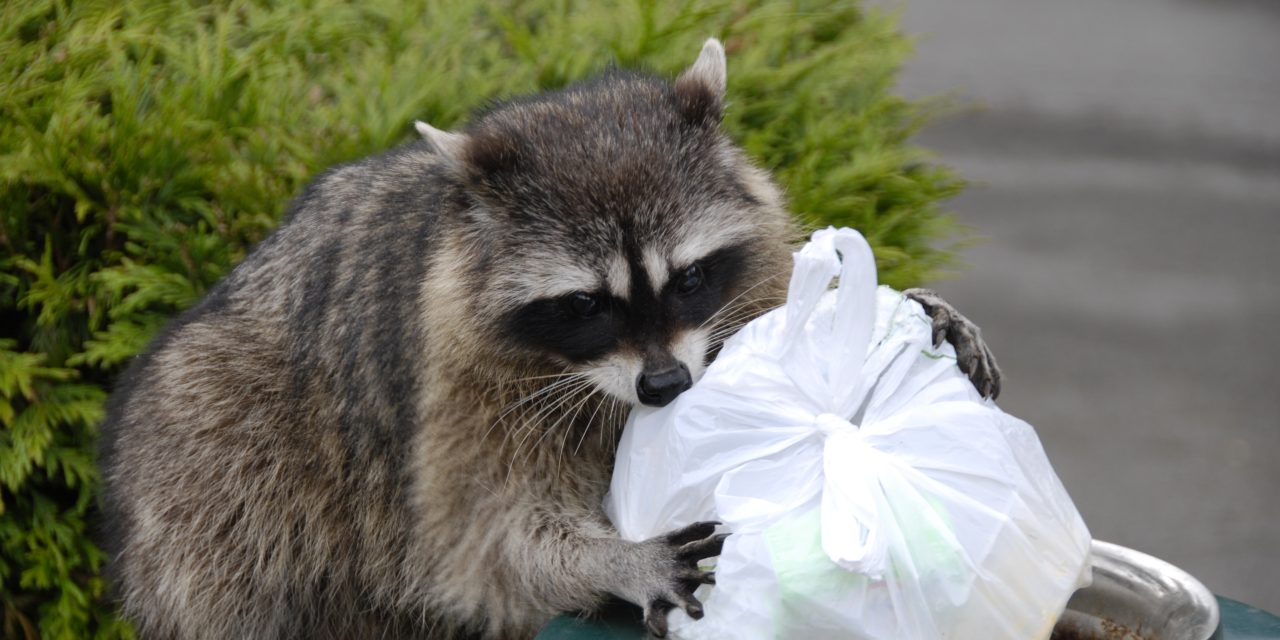
The Maine Center for Disease Control and Prevention (Maine CDC) is asking anyone who touched a raccoon in Wells, Maine to call 1-800-821-5821. This number is available 24/7.
On Monday, December 8, a strange-acting raccoon was reported to be near the intersection of Sanford Road and Evergreen Drive in Wells. An unidentified individual is reported to have touched the raccoon in an attempt to remove the animal from the roadway. Wells Police Department collected the raccoon, which later tested positive for rabies.
ADVERTISEMENT

Rabies in people is very rare in the U.S., but rabies in animals – especially wildlife – is common in most parts of the country, including Maine.
If you touched this animal, please call Maine CDC at 1-800-821-5821. Anyone who touched this raccoon may need post-exposure treatment. Once symptoms develop, rabies is almost always fatal. Timely post-exposure treatment is critical to prevent development of rabies.
In Maine, the most commonly infected animals are skunks, raccoons, bats, and foxes. So far this year, 47 cases of animals infected by rabies have been reported to the CDC. These were primarily in bats, racoons, and skunks. Most cases were in Cumberland, Waldo, and York counties.
The Maine CDC recommends these steps to prevent rabies exposure:
- Do not feed, touch, or adopt wild animals. Be cautious of stray dogs and cats.
- Do not move wildlife. This can spread rabies into new areas.
- Keep garbage cans or other sources of food tightly secured.
- Keep your pets’ rabies vaccinations up to date.
- Feed pets indoors.
- Wash any bite or scratch wounds with soap and water for 10 to 15 minutes.
Who should you contact for rabies exposures?
- If an animal bites or scratches you, contact your health care provider.
- If an animal bites or scratches your pet, contact your veterinarian.
- To report a dead or suspicious-acting animal in northern Maine, contact the USDA’s Wildlife Services at 866-487-3297. In other parts of the state, contact the Maine Warden Service. Contact your local Animal Control Officer if a warden is not available.