By Delicia Nineza, MPH candidate at Capella University
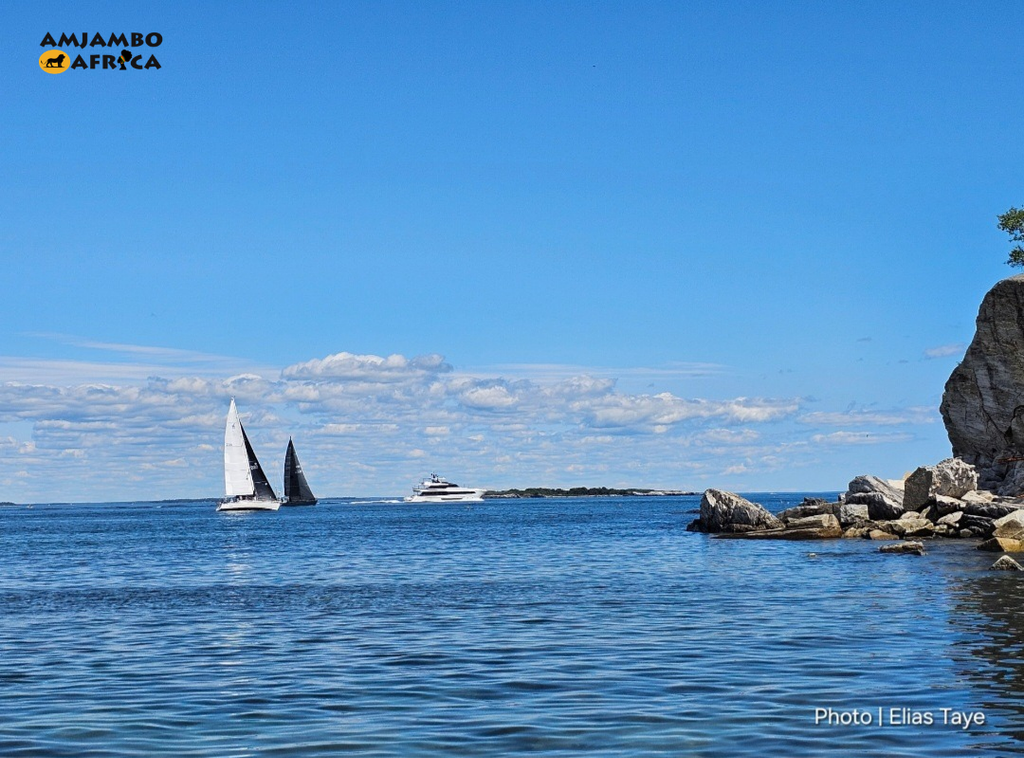
Maine is defined by its water. From the rocky Atlantic coastline to the thousands of freshwater lakes, ponds, and winding rivers, the state offers unparalleled opportunities for swimming, fishing, and recreation. But for many residents, especially those who are new to the state or who grew up without access to formal water safety training, these beautiful waters carry serious, often unseen risks.
Drowning is a major and entirely preventable public health crisis. According to the Centers for Disease Control and Prevention (CDC), Maine experienced an age-adjusted unintentional drowning death rate of 1.45 deaths per 100,000 people between 2018 and 2021. That number is significantly higher than the national average of 1.31 deaths per 100,000.
For the roughly 1.41 million people who call Maine home, finding a way to safely interact with our environment is critical. This is especially true given the diverse makeup of our state today. As Maine welcomes new residents, including many immigrants and refugees from across the globe, it is vital to recognize that water safety education must adapt to be culturally responsive, affordable, and accessible to everyone.

Moving Beyond the Traditional Swimming Lesson
When we think of drowning prevention, most people immediately think of traditional swimming lessons and learning how to swim laps in a heated indoor pool. While formal swimming instruction is linked to lower drowning risk, evidence shows that preventing tragedies requires a much broader approach.
Based on a comprehensive review of public health data, a new intervention is being proposed for Maine: the YMCA Aqua Safety & Survival Program. Rather than just teaching a child or adult how to swim the front crawl, this proposed program focuses on true “water competency.” This means giving participants the practical tools they need to survive unexpected situations in and around the water.
ADVERTISEMENT

One key insight: Knowing how to swim in a calm, shallow pool does not guarantee survival in open, freezing water. True water competency means knowing how to float, tread water, and remain calm when the unexpected happens.
The program proposes tailored approaches for all ages, because drowning does not only affect children.
- Young children: Focus on basic movement, safe entry and exit from the water, floating, and early survival skills.
- School-age children & teens: Advanced treading water, survival floating, and proper life-jacket usage.
- Adults: Beginner instruction offered without judgment, recognizing that many adults never had the opportunity to learn to swim.
- Caregivers: Education on active supervision, proper use of personal flotation devices, and spotting environmental hazards.
Confronting Maine’s Unique Environmental Hazards
Maine’s natural waters are drastically different from a controlled community pool. One of the core strengths of the proposed Aqua Safety & Survival Program is its focus on state-specific risks.
Even in the middle of summer, Maine’s ocean water and deep lakes can be dangerously cold. Cold-water shock is a leading cause of drowning, as it causes involuntary gasping and rapid fatigue, even in strong swimmers. Additionally, the program would educate communities about natural-water currents, changing weather conditions, and boating safety. For families who may be interacting with these environments for the first time, understanding the difference between a supervised pool and open water is a lifesaving intervention.
Breaking Down Barriers to Access
Perhaps the most critical aspect of this proposal is its commitment to equity. Swimming lessons have historically been treated as a luxury, leaving behind lower-income families. Currently, roughly 10.6% of Maine residents live below the poverty line. Financial and transportation barriers make typical aquatic instruction completely out of reach for many.
To be effective, drowning prevention cannot be tied to income. The proposed YMCA program emphasizes making classes free or heavily subsidized through sliding-scale fees, scholarships, and family enrollment options.
Furthermore, to serve Maine’s increasingly diverse communities, the program must be culturally responsive. This means providing clear, translated materials and ensuring that interpreters are available when necessary. It also requires an ethical approach that never blames participants for their inability to swim. A lack of swimming skills is almost always the result of systemic barriers, such as a lack of transportation, income, or previous access to safe aquatic facilities — not personal failure.
Building a Safer Future Together
We cannot eliminate every risk associated with Maine’s beautiful lakes and coastlines, but we can drastically reduce the number of preventable tragedies. By moving beyond basic swimming lessons and embracing a comprehensive, survival-based education model, we can build a safer community.
Implementing the Aqua Safety & Survival Program will require strong partnerships between the YMCA, local schools, municipalities, and public health organizations. But the investment is well worth it. By offering affordable, culturally responsive water-competency education to children, adolescents, adults, and families, we can equip all Mainers with the skills they need to safely enjoy the waters of their home.
Editor’s Note: This article originally appeared in the October 2026 print edition of Amjambo Africa.