By Sheila Ponnie
JUBA, South Sudan—South Sudan is facing its worst cash crisis in recent memory. In an import-dependent economy, most businesses can barely afford goods from neighboring Kenya and Uganda. Meanwhile, the government blames “unscrupulous individuals” for hoarding money under their mattresses – worsening the country’s liquidity nightmare.
Commercial banks have restricted daily transactions to under $10 (USD), and the situation keeps deteriorating. Two years ago, the problem already was abundantly clear.
“It has reached a stage where people do not take money into the bank,” President Salva Kiir lamented in a 2023 interview with state television.
In just two years, Kiir has fired five Central Bank governors in what he calls a desperate search for the “right person” to rescue the economy.
Long queues, empty banks
Long lines now stretch outside most commercial banks across South Sudan. Men and women of all ages wait under the scorching sun, hoping to withdraw their own money – only to face strict limits once inside.
“I received my salary but I was told to withdraw only 50,000 SSP per day” said Stephen Bolay, a member of parliament, of the less than $10 (USD). “To get my full pay, I must visit the bank over 40 times a month. Our families are struggling.”
Even Parliament’s summons of the finance minister and Central Bank governor to explain the situation has brought little relief.
Banks run dry
ADVERTISEMENT

For ordinary citizens, the crisis has turned daily life into a battle for survival. Dedi Esborn, a Juba resident, explained his experience: “The lack of liquidity has gone so bad that you go to the banks and you won’t even be able to get your own money.”
Two weeks ago, when Esborn visited multiple Equity Bank branches, from Munuki to Juba, he found the same story everywhere: no cash.
“People were just stranded, sitting and waiting,” he said. “When people say there’s no money in the banks, it’s not fake news – I have seen it myself.”
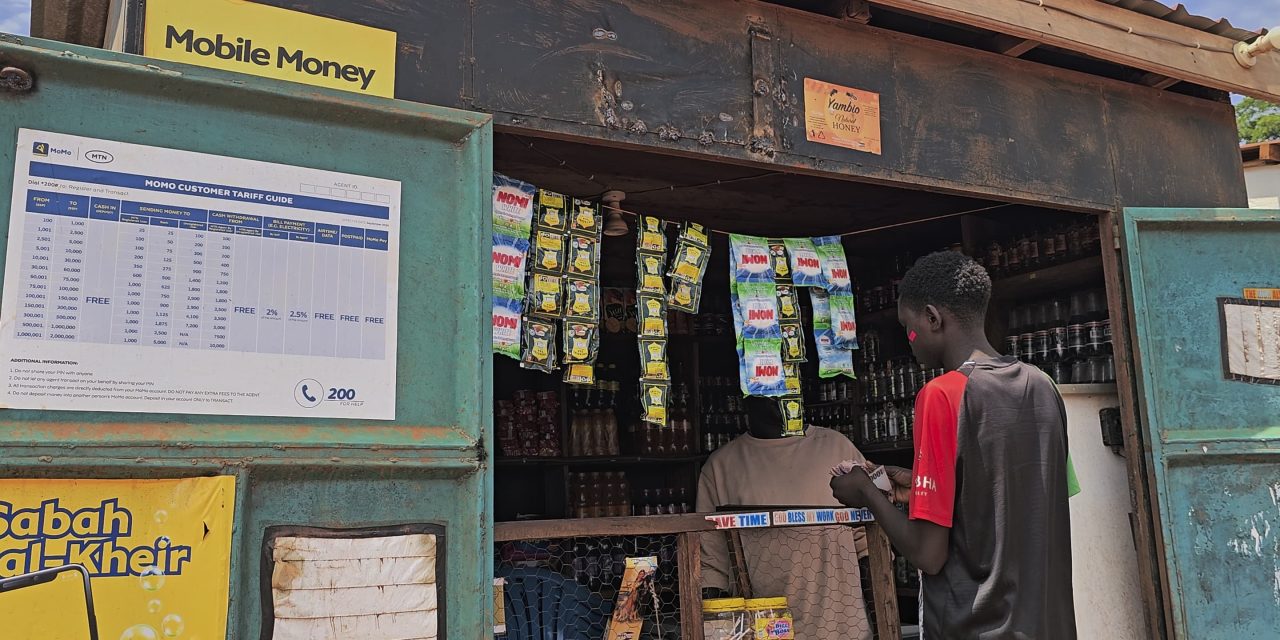
Unable to withdraw any money, Esborn resorted to mobile money transfers. “I had no choice but to move 500,000 pounds to my phone just to survive,” he said.
Widespread social media reports in October claimed that Equity Bank South Sudan had suspended all ATM withdrawals of local currency, a sign of deepening liquidity paralysis.
Eroding confidence, digital fear
Experts warn that the crisis persists because citizens no longer trust banks, and hesitate to adopt digital alternatives.
“We view it as a confidence issue,” said Francis Matseketsa, CEO of MTN South Sudan, a mobile money service. “People fear depositing money because they know they can’t get it back. The banks have simply run short of liquidity.”
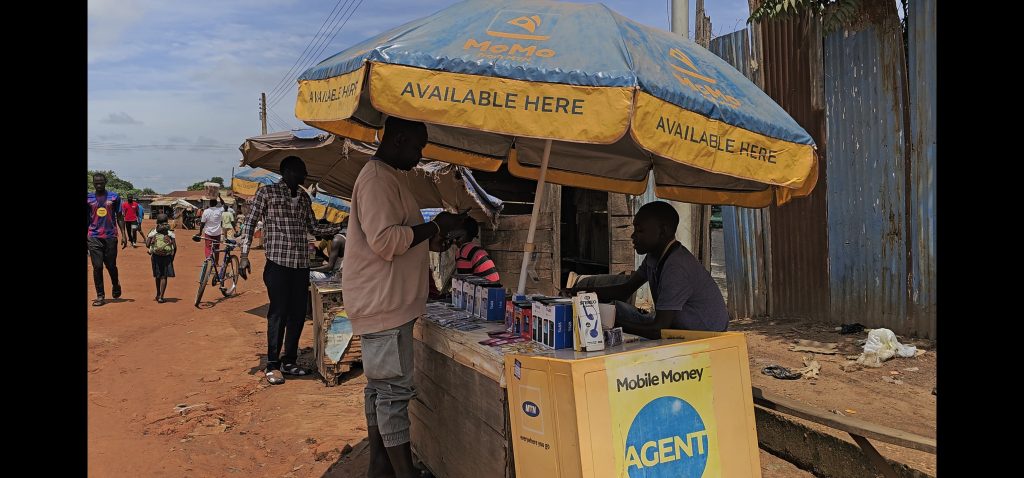
MTN is a multinational telecommunications company, originally from South Africa, that operates in many African and Middle Eastern countries. It provides services like mobile phone networks, internet, and mobile money.
Meanwhile oil, which supports up to 80 percent of South Sudan’s economy, has been hit hard by the war in neighboring Sudan, and this has disrupted exports, drying up dollar inflows and weakening the South Sudanese pound.
“There is no cash in the commercial banks. You have money in your account, but you cannot access it,” said Peter Lomude Francis, an opposition member of parliament representing Yei River County.
Years of conflict have left South Sudan cash-dependent and deeply mistrustful of financial institutions.
“People run away with their money,” Kiir admitted in a 2023 televised address. “They keep it in their houses because they don’t trust the banks.”
Painful but possible solution
The government has urged citizens to embrace digital solutions, but this has not yet proved popular due to poor connectivity, low literacy, and mistrust.
“People fear losing their money because of bad experiences with financial services,” said Matseketsa of MTN. “But mobile money could ease pressure on cash printing and boost inclusion.”
In September, the Central Bank of South Sudan warned against currency hoarding and threatened prosecutions – yet the public remains unconvinced.
“There’s no way a country can operate without its local currency,” Esborn said. “If the money is kept somewhere, they must release it. If not, they should find another solution – even if it means printing more banknotes.”
Quick facts on the crisis:
- Oil accounts for 80 percent of South Sudan’s economy.
- Withdrawal limits: as low as 50,000 SSP ($10 USD) per transaction.
- Bank of South Sudan admits liquidity shortages; is considering higher-denomination notes.
- World Bank (2025) projects an 11.7 percent fiscal deficit and nearly 30 percent economic contraction due to oil disruption.
- Equity Bank South Sudan reportedly suspended ATM withdrawals amid the nationwide cash scarcity.