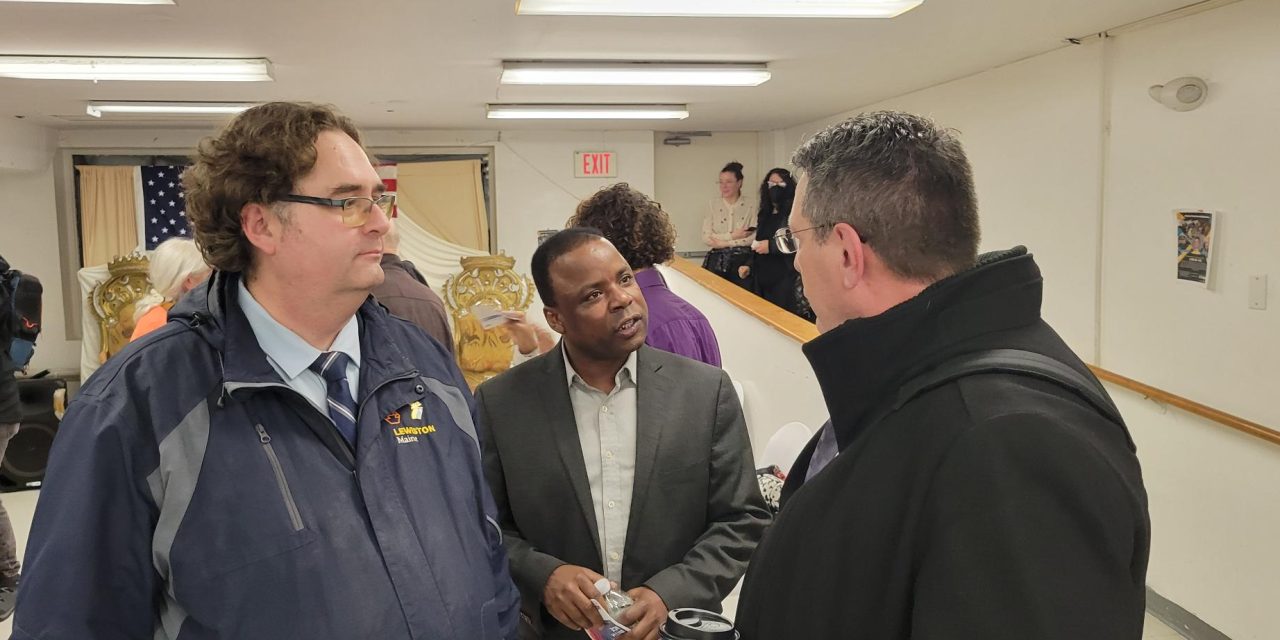
By Eloge Willy Kaneza
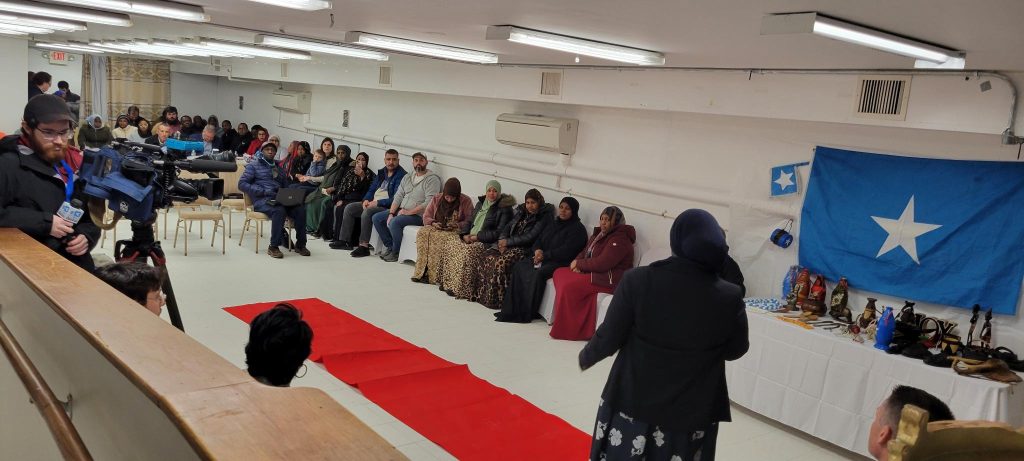
Lewiston, ME — The atmosphere at IFKA Community Services on Thursday evening, January 15, 2026, was a mixture of tension, anticipation, and cautious hope. Families, seniors, youth, and local residents crowded the modest meeting hall, with women making up a large portion of the audience. A sense of urgency lingered in the air, fueled by recent warnings from the mayors of Portland and Lewiston that Immigration and Customs Enforcement (ICE) agents are likely to intensify operations in the state, and by Governor Janet Mills’ video statement affirming Maine’s commitment to civil rights.
“To the Federal government, I say this: if your plan is to come here to be provocative and undermine the civil rights of Maine residents, do not be confused — those tactics are not welcome here,” Mills declared. “To the people of Maine: we stand for the rule of law, peaceful protest, compassion, integrity, and justice. Maine will not be intimidated.”
City Leaders Take the Stage
The meeting began with Lewiston City Administrator Bryan Kaenrath, who was met with applause from residents, including a strong turnout of both immigrant families and U.S. citizens. Lewiston Mayor Carl Sheline, members of the city council, school board representatives, and other community leaders were also present, signaling a unified front from local leadership. Families clutched their children, some carrying documents or passports, while young people whispered anxiously to neighbors.
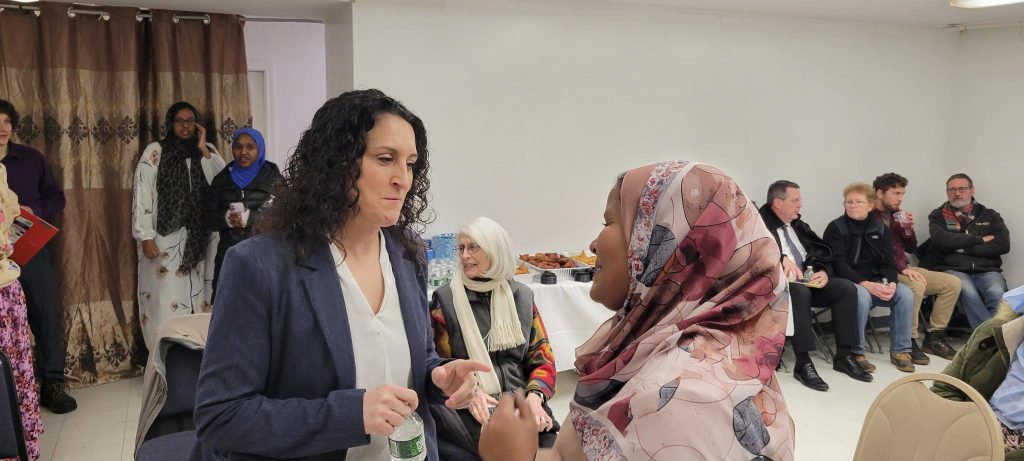
Kaenrath addressed the crowd warmly:
“So tonight, we’re going to introduce ourselves, and we’d like to get around and speak to as many of you as we can. I also just want to acknowledge that these are times that are difficult for many. And we understand that. And we want to be here to support you. We want to support this community, and we want to help build community no matter what adversity we face.”
He emphasized the importance of connection:
“The word ‘community’ is really important. Society is more divided and isolated than ever before. Meetings like this help bring us together. We’re committed to doing more events like these. Please know that I’m accessible and available whenever you’d like. We’re here to listen, learn, and help get results for this community.”
Acknowledging residents’ fears over ICE operations, he added:
“Obviously, everything tonight is concerned with ICE. Many residents worry about their safety. Local law enforcement is not federal law enforcement, so we don’t have all the information people are looking for. But we are watching things closely, encouraging peace in our community, and we’ll continue to support our residents.”
The audience responded with nods, murmurs of agreement, and occasional sighs of relief at the city’s reassurance. Council members leaned forward in their seats, nodding along, occasionally scribbling notes. School board representatives, seated at the front, whispered quietly to each other, preparing to share strategies drawn from other communities facing large-scale ICE operations. Community leaders, including faith leaders and nonprofit directors, gestured toward residents, signaling solidarity and reassurance.
Voices from the Community
Residents of all backgrounds, ages, and immigration statuses spoke, many expressing real fear for themselves and their children. Women were particularly vocal, recounting sleepless nights and disrupted routines:
“For the last few nights, I have had a hard time sleeping. I’ve had to tell my children it’s not safe to go to school. If ICE comes to our doors, what protections do we have? I hope our city can help us feel safe again,” said a mother from the Somali community.
ADVERTISEMENT

Jama Mohamed, a U.S. citizen and Director of Youth & Family Services at Maine Immigrant & Refugee Services (MEIRS), who has lived in Lewiston for 17 years, shared:
“For the last couple of weeks, I have been carrying my passport with me everywhere, something I’ve never done before, even though I know my rights. Even longtime residents with limited English are worried about interactions with ICE. People need guidance and reassurance from local authorities to feel safe.”
Mohamed also highlighted how misinformation amplifies fear:
“Whether it’s from media, social networks, or family discussions, many people are anxious about what might happen. We want to understand what protections are available to legally present immigrants and how we can continue living peacefully in our neighborhoods.”
U.S. citizens attending the meeting also voiced solidarity:
“We all live together in this city. Whether you are a citizen or not, safety and community support matter. Fear of ICE affects everyone, and we must stand together to preserve peace and trust.”
Mothers’ Concerns Highlight Emotional Toll
Several mothers described the anxiety of sending children to school or leaving home for groceries, sharing how their daily routines had been disrupted and how the looming threat of ICE weighed heavily on their minds.
Police Reassurance
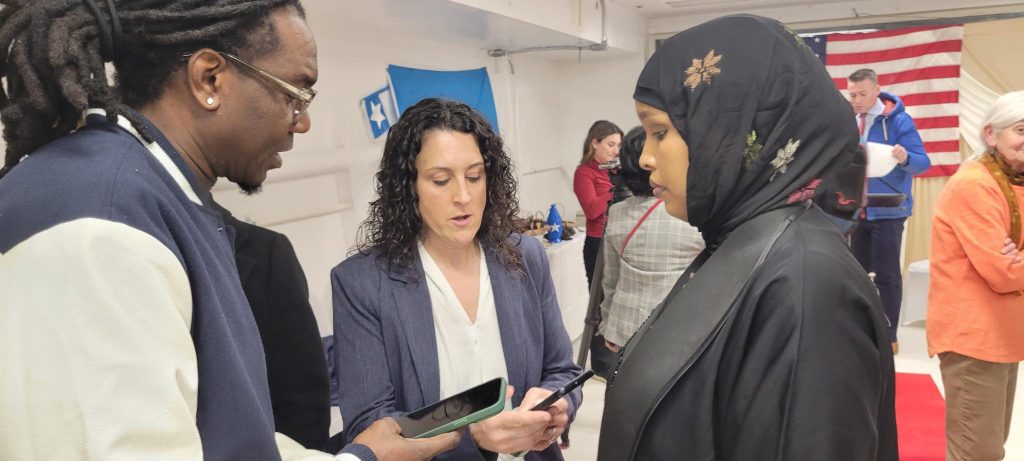
Police Chief Carly Conley reassured attendees during the meeting:
“Local law enforcement is distinct from federal enforcement. We do not work with ICE directly, and residents interacting with our department are completely safe. I’ll echo what the city administrator said — we understand your concerns.”
As the discussion continued, she clarified the limits of local authority:
“The difference is local law enforcement versus federal law enforcement. We don’t have the authority to enforce federal law, and we’re not connected to their operations or plans. We have limited resources to answer questions about federal enforcement, but we want residents to know they are safe with us.”
In a post-meeting interview, Kaenrath elaborated:
“We are here to support public safety. ICE is on the mind of many with the reported action that may be happening next week. Local law enforcement is not federal law enforcement, but we are watching things closely, waiting to see what happens, and encouraging peace here in our community.”
He reflected on the value of the listening sessions:
“Since I’ve been here for the last seven months, I’ve been holding these sessions across neighborhoods with many community groups. It’s crucial to hear directly from people where they are, not necessarily at City Hall. We’ve gathered valuable insights, and we’ll bring this feedback to City Hall to improve services. We have a lot of work to do.”
Shukri Abdirahman, Androscoggin County Commissioner representing District 1 and a long-time Lewiston resident, spoke with Amjambo Africa following the session. She described her connection to the city and her faith in the community:
“I have lived in Lewiston for 16 years. I came here as a refugee when I was 10, and my family became citizens five years later. Lewiston is my home — I don’t really know anywhere else. I truly believe in this city, in its people, and in its future. We have hardworking residents and opportunities waiting to be realized. Lewiston is not dangerous; it’s a city full of potential, and I would encourage people to stop judging it and come experience it for themselves.”
She reflected on the importance of law enforcement engagement:
“I’ve never had any problems with the Lewiston Police Department, and I support them. The work they do is really important for keeping our community safe. What I’ve seen recently is even more encouraging — officers are engaging directly with the community, visiting playgrounds, talking and playing with children, getting to know the people they serve. That engagement is essential for building trust and making sure law enforcement and the community are part of the same neighborhood.”
Abdirahman also emphasized neighborhood resilience and community solidarity:
“I feel safe in my neighborhood. People here either struggle together or thrive together. Even though some are dealing with substance abuse or homelessness, they don’t harm others. If you live in Maine, stand up for your neighbors and your community. Everyone, regardless of immigration status, deserves to be here, to work, and to be respected.”
Building Trust, Safety, and Solidarity
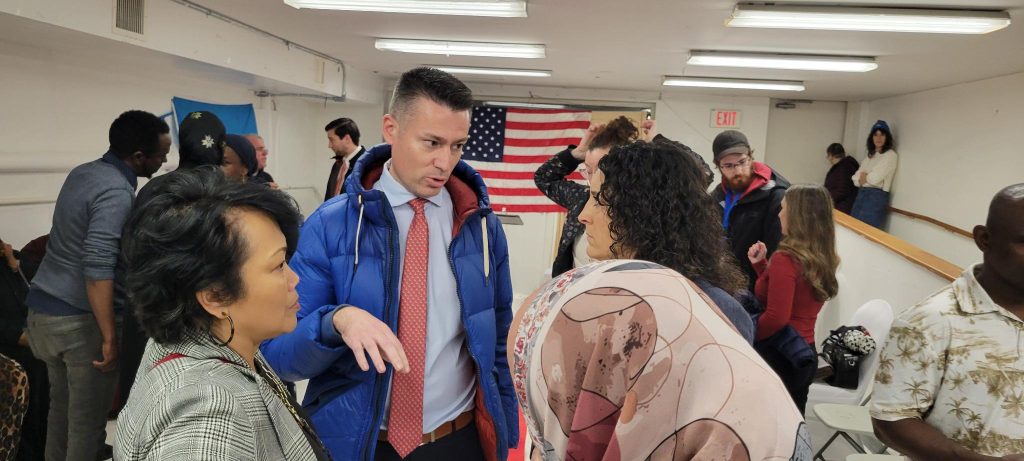
Throughout the session, city officials stressed that Lewiston police do not coordinate with ICE, and residents remain safe contacting local authorities.
The session underscored the power of dialogue, reassurance, and solidarity across immigrant, refugee, and U.S. citizen populations. As the evening concluded, coffee and snacks were served, and many participants spoke with Amjambo Africa while leaving, echoing a shared sentiment:
“This is true resilience.”
Many residents left IFKA Community Services saying they felt heard, supported, and more informed about the city’s commitment to maintain safety, trust, and peace during uncertain times.