
By Samuel Getachew
Nearly three years after the end of Ethiopia’s civil war, which is often described as one of the worst humanitarian crises of the 21st century, fear is rising that northern Ethiopia’s province of Tigray is on the verge of yet another conflict – this time with neighboring Eritrea. Meanwhile, millions of Ethiopians in Tigray face famine, partly due to a severe drop in aid from western nations that had previously helped sustain the population.
Food rations cut
According to the United Nations, more than 10 million Ethiopians are grappling with extreme hunger, as the number of civilians on the brink of starvation rises in the vast Horn of Africa nation.
In October, the U.N.’s World Food Programme (WFP), one of Ethiopia’s largest development partners, has been forced to slash humanitarian aid and food rations, citing donor fatigue, as well as pressing demand in other global hotspots, including Gaza and Ukraine.
Tigray’s regional government reports that 80 percent of its population is in urgent need of emergency food aid.
To stave off total disaster, the WFP has appealed to donor-fatigued westerners to furnish $230 million (USD). The refugee population in Ethiopia hovers at around one million people.
ADVERTISEMENT

“We are making impossible choices,” lamented Zlatan Milišić , WFP Ethiopia Country Director and Representative in a press release this month.
On the ground in villages and camps
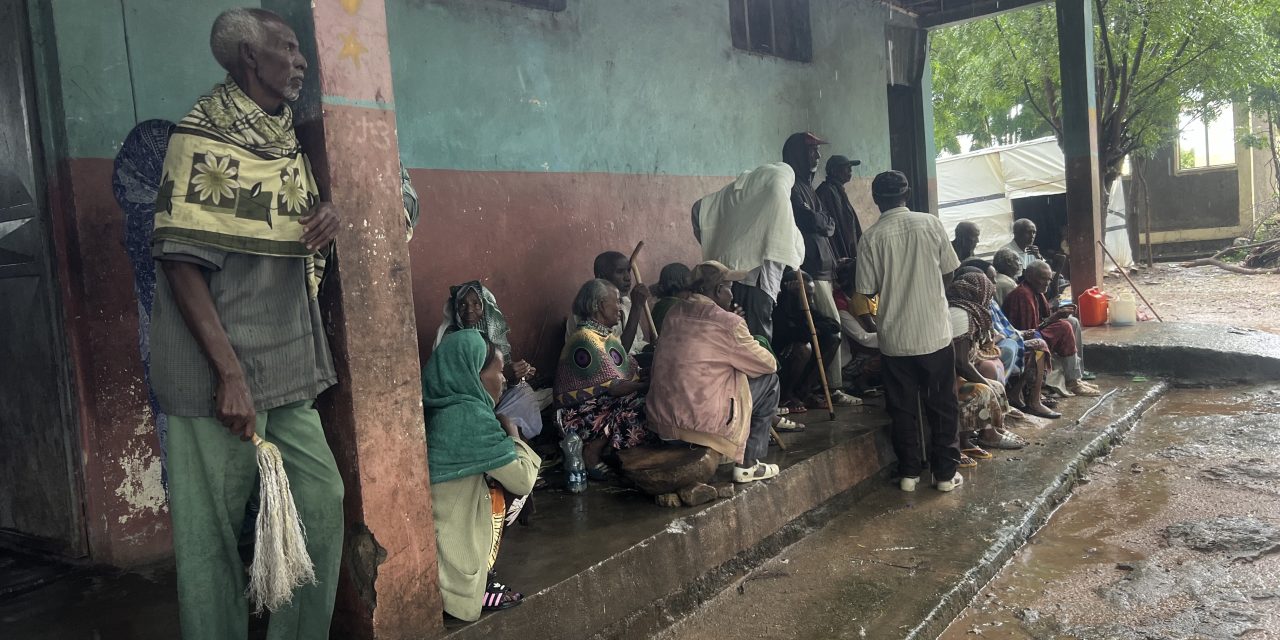
In the idyllic village of Hitsats, located near Ethiopia’s border with Eritrea, local residents report that many people are now dying as famine overwhelms the province at the same time that humanitarian aid is dwindling. The area saw a great deal of conflict during the two-year brutal civil war in Tigray.
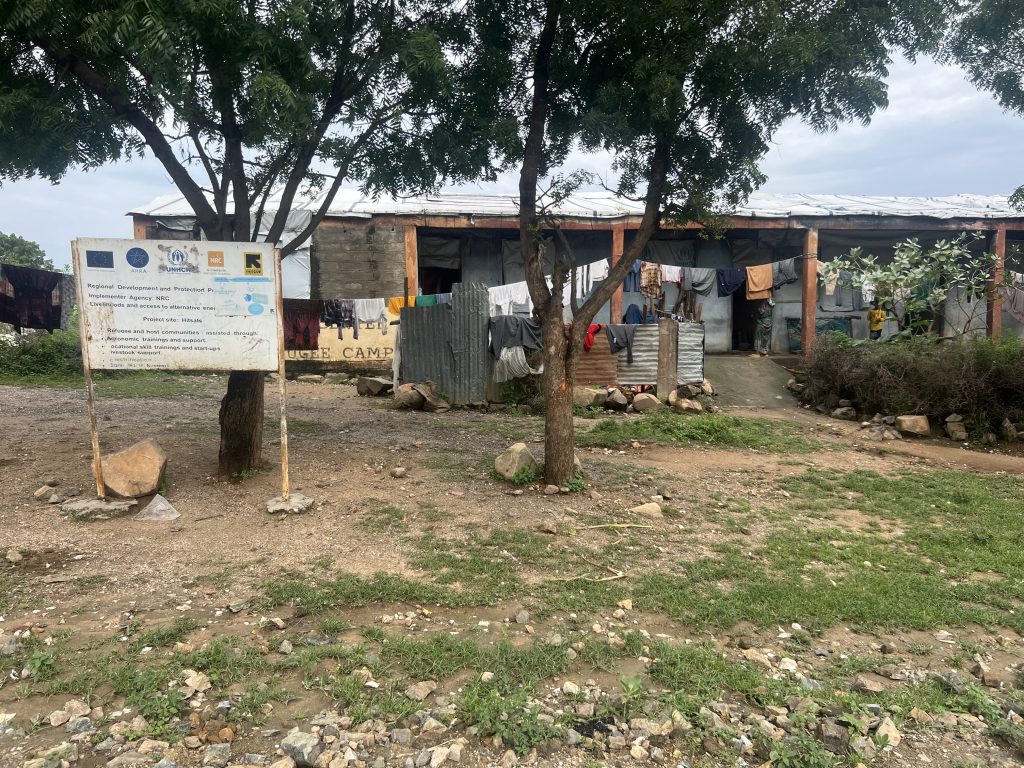
A local school that has been turned into a makeshift shelter for the residents.
“We are burying many people in darkness and we have no means to help them,” Kiros Asgedom, a resident said.
Almaz Tadios, a middle-aged resident of Hitsats added, “It is not just the elderly that are dying but young people and children and women who are dying.” She spoke from a cemetery near a church. “The able-bodied young people have left, either to other parts of Ethiopia or to Yemen and Libya, with the hope of reaching Saudi Arabia,” she said.
Gebrehiwet Gebregzabher, the head of the Tigray Regional Disaster Risk Management Commission, describes the situation as comparable to the infamous 1984 Ethiopian famine, where an estimated one million people perished.
“With little financial means and support, we are only able to serve a small portion of our population, and much of our area is getting no support and we have little information on their well-being,” Gebrehiwet said, adding that millions of civilians are now forced to fend for themselves.
Nireayo Wubet, who is 87 years old, is from Humera, a disputed area with the neighboring Amhara region, which has seen the displacement of thousands of her residents. Wubet has lived in an internally displaced camp ever since he migrated from Humera.
Most of Wubet’s family members are missing, and he said he is worried about them – but now, frail and old, he is not sure he will ever see them again. His immediate worry is how to survive in the midst of a famine that is overwhelming him and much of the population in the camp.
Abraha Mebarthu, the camp’s coordinator, described the current situation on the ground as dire, with little help forthcoming. He said he fears famine, describing recent cuts to humanitarian aid as “extremely severe with big consequences.”
Ethiopia and Eritrea on the brink
With the possibility of a future war with Eritrea looming, Ethiopian Minister of Foreign Affairs Gedion Timothewos sent a letter to Antonió Guterres, the United Nations Secretary General, accusing the Eritrean government of supporting the Tigray People’s Liberation Front in waging a war against the Ethiopian federal government.
The civil war saw an estimated 600,000 people die, millions displaced, and thousands of women and girls raped. In the Hitsats massacre, which took place in 2020, early in the war, hundreds of Eritrean refugees were killed, and numerous structures in the Hitsats Refugee Camp were destroyed.







