By Honorine Uwishema, cPort Credit Union
In our July issue, we explained how credit scores, credit cards, and borrowing work in the United States We learned that lenders use credit scores to decide whether to lend money, how much to lend, and how much interest to charge.
If you are new to the United States or to the U.S. credit system, you may not have much credit history or a high credit score. This month, we will explain why good credit matters and share simple ways you can start building credit.
Why good credit matters
A credit score is a three-digit number that reflects your creditworthiness. Lenders use this score and the details of your credit history to decide whether or not you qualify for a loan and at what terms — the amount of the loan, the length of the loan, and the interest rate.
A high credit score means you are seen as responsible and reliable, while a low credit score may make it difficult to get a loan because the lender is not confident that you will pay them back the money you borrowed. A low credit score can result in higher interest rates on a loan and can even make it difficult for you to rent an apartment, get a cell phone, or have low auto insurance rates.
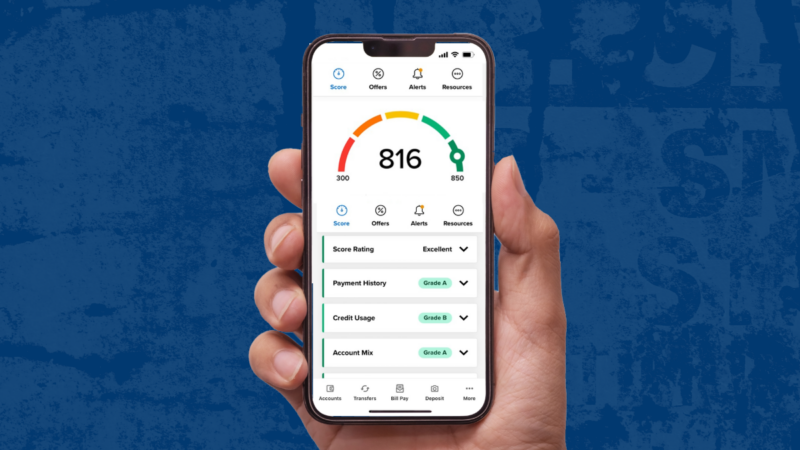
Good credit is essential because it opens opportunities for financial stability and growth. Good credit allows you to qualify for loans with favorable terms, such as lower interest rates and higher borrowing limits. Ultimately, good credit helps you save money and gives you more borrowing power in the long term.
ADVERTISEMENT

Ways to start building credit
Now that we have covered some of the reasons why having good credit is important, let’s explore ways to start building credit.
One simple method is to open a credit card and use it responsibly. A popular option for those just starting out with credit is a secured credit card. This kind of card requires you to make a cash deposit when you open the card, and the amount of this deposit usually becomes your credit limit. For example, if you open a secured credit card with a $300 deposit, your credit limit will be $300.
Another way to build credit is to take out a small credit-builder loan. These loans are usually a small amount of money, and they are designed to help you get used to making regular payments. These payments, when made on time and in full, help increase your credit score.
Having good credit takes work. It’s crucial to make timely payments, keep your credit card balances low, and maintain a good mix of credit types. By taking out a small, secured loan or opening a small credit card, you can demonstrate good financial practices so that you are ready when it’s time to borrow money for an emergency, car, or home.
What to avoid when building credit
As you begin building credit, it is just as important to know what habits to avoid as it is to know what steps to take.
- Paying bills late: Late or missed payments can lower your credit score because payment history is one of the most important parts of your credit report. Try to pay at least the minimum amount due by the due date every month.
- Using too much of your credit limit: Using most or all of your available credit can make lenders think you are relying too heavily on borrowed money. A good goal is to use less than 30% of your credit limit before paying the balance down.
- Applying for many credit cards or loans at once: Too many applications in a short period may make you look risky to lenders and can temporarily lower your credit score. Apply only when you need credit and understand the terms.
- Borrowing more than you can comfortably repay: Taking on more debt than your budget can handle may lead to late payments and financial stress. Before borrowing, make sure the monthly payment fits within your regular income and expenses.
- Closing old credit accounts too quickly: Older accounts can help show a longer credit history. Closing them may reduce your available credit and shorten your credit history, which could lower your score.
- Cosigning a loan without understanding the risk: If you cosign for someone else, you are also responsible for the debt. If they miss payments, your credit can be affected too.
- Not reading the terms before borrowing: Interest rates, fees, due dates, and penalties can vary. Understanding the terms before opening a credit card or loan can help you avoid costly surprises.
Some helpful tips while you build credit
Be patient. Building a credit history and improving your credit score can take time! Be patient and do your best not to make impulsive decisions regarding your credit. Maxing out credit cards, borrowing more money than you believe you can comfortably afford to pay back, and applying for too many loans or credit cards are all quick fixes that can have bad effects on your credit score.
Keep an eye on your credit score. Many banks and credit unions offer services that let you check your credit score for free. Often, they offer online banking apps that let you check from the comfort of your home. Reach out to your bank or credit union and ask them what options are available. You can obtain a free report from each of the three major credit bureaus every year at AnnualCreditReport.com. Reviewing your credit report regularly for errors or potential fraud is essential.
Don’t give up! Building credit is not always a straightforward process, but with patience, discipline, and some basic knowledge, you can build up a great credit score and enjoy the benefits.
Editor’s Note: This article originally appeared in the early August 2026 print edition of Amjambo Africa.