By Violet Ikong
The first-ever G20 summit held on African soil concluded in Johannesburg, South Africa, with global leaders adopting a 122-point declaration addressing debt relief, climate action, food security, and global equality. The declaration emphasized that nations must work together to ensure “no one is left behind” through multilateral cooperation, macroeconomic coordination, and sustainable development partnerships.
More than 40 heads of state attended the summit, although the United States boycotted it, citing President Trump’s claims of white South Africans being killed and their lands confiscated. South African President Cyril Ramaphosa highlighted the summit’s focus on promoting peace, dignity, and a decent life for people worldwide.
Women protest femicide
ADVERTISEMENT

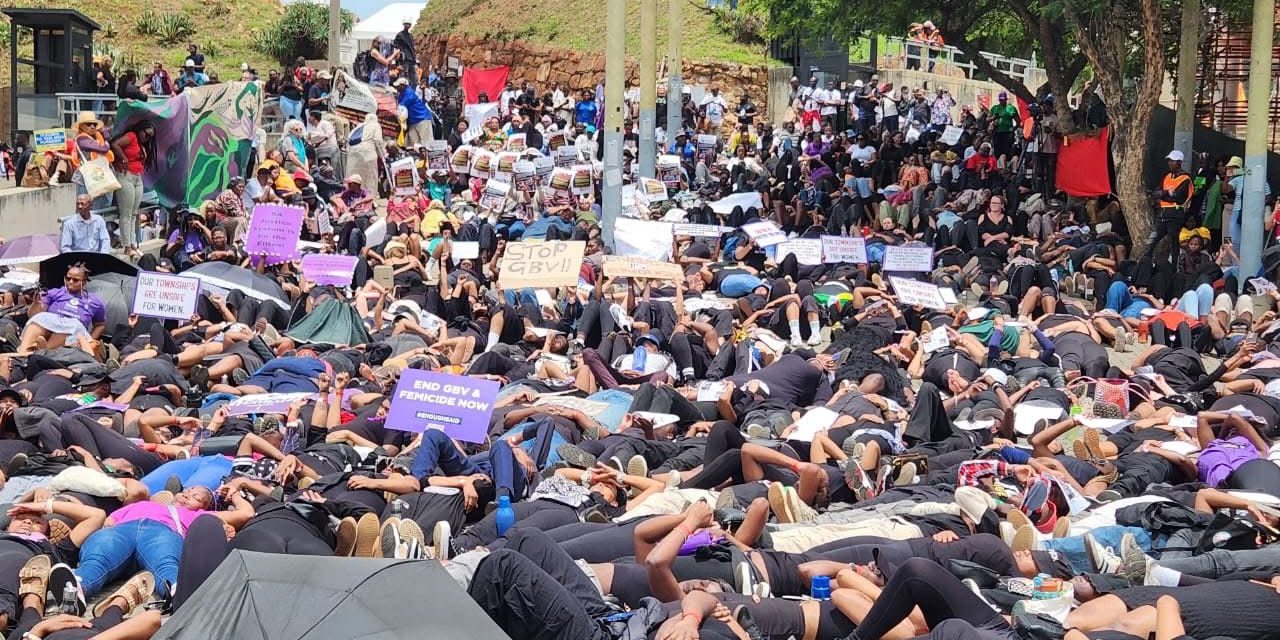
On November 21, a day before the summit, thousands of women across South Africa staged an economic shutdown to protest rising gender-based violence and femicide (GBVF). Organized by the nonprofit Women for Change, the demonstrations called on President Ramaphosa to declare GBVF a national disaster.
Merlize Jogiat, operations and advocacy coordinator at Women for Change, told Amjambo Africa, “South Africa cannot talk about women’s economic empowerment globally while failing to protect them domestically.” Hundreds of men joined the protest in solidarity. Participants dressed in black to mourn victims and lay on the ground for 15 minutes to honor the 15 women killed daily in South Africa—a femicide rate six times higher than the global average.
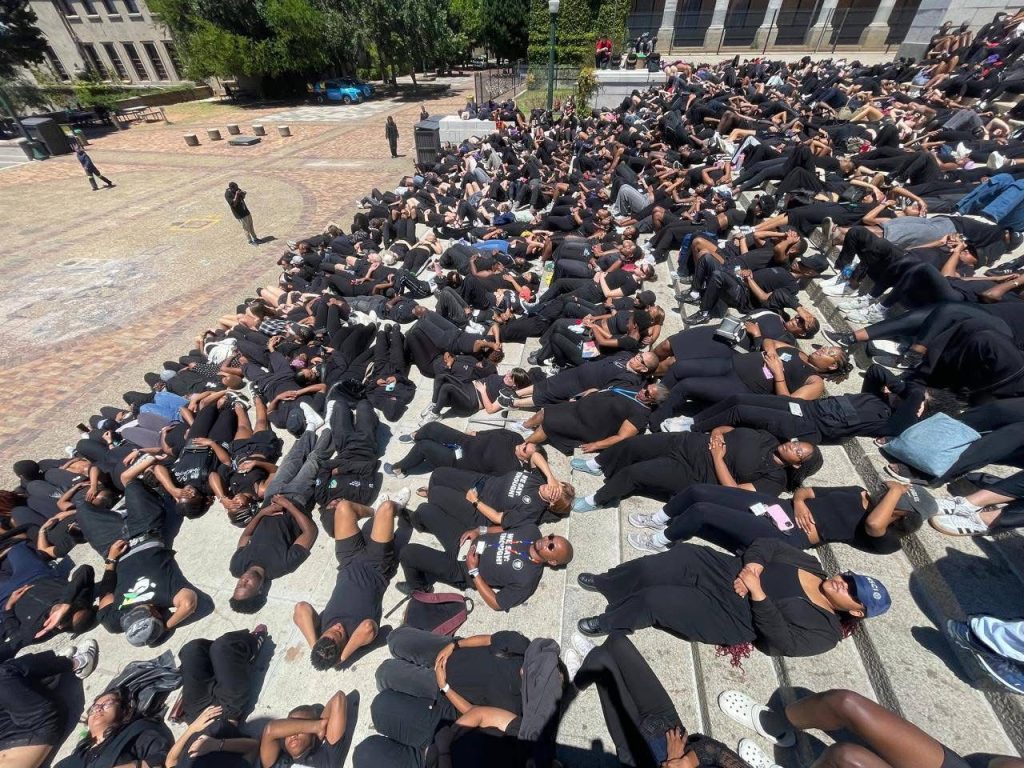
As part of the protest, women boycotted both paid and unpaid labor, as well as purchases and withdrawals, enforcing a nationwide economic shutdown. The movement also gained online visibility through purple profile pictures, a color historically associated with women’s rights and justice.
The numbers behind the crisis
According to a 2024 Human Sciences Research Council study, 33.1% of South African women aged 18 and older have experienced physical violence, while 9.9% have endured sexual violence in their lifetime. “Gender-based violence is no longer something happening out there; it is in our homes, families, and circles,” said Lesego, a participant in the protest.
Presidential response
Following sustained public pressure and a petition with over a million signatures, President Ramaphosa declared on November 20 at the G20 social summit that GBVF will be classified as a national disaster. He pledged “extraordinary and concerted action” to tackle the crisis, marking a significant victory for Women for Change, though activists await the formal signing of the declaration.
Looking ahead
The next G20 summit will be hosted by the U.S. at President Trump’s golf course in Doral, Florida. The U.S. absence this year delayed the ceremonial handover of bloc leadership, now expected to take place next week.