By Rachel Ndjondjo
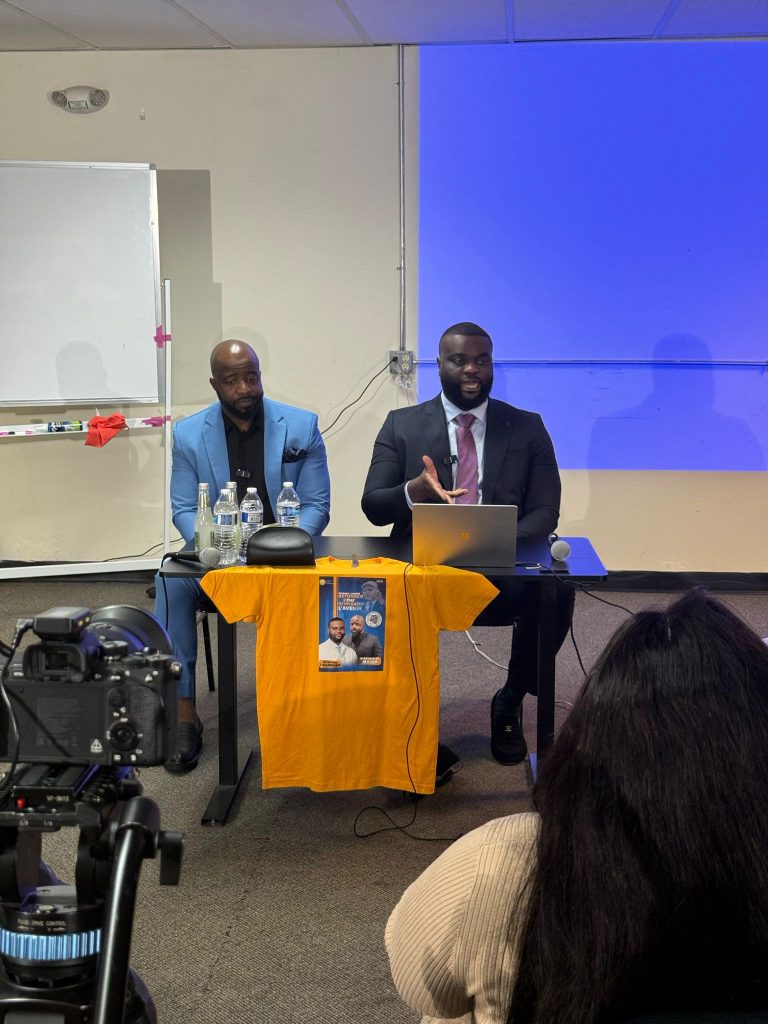
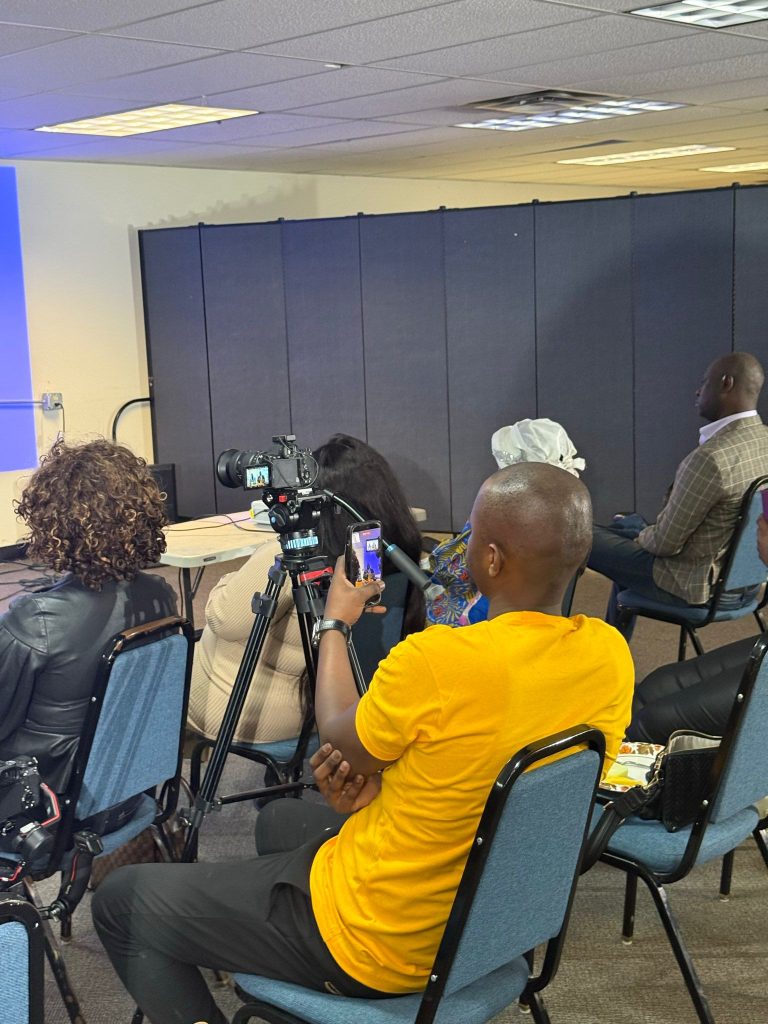
Breast Cancer Awareness Month is October, and this year the Congolese Community of Maine (COCOMaine) hosted an educational event at Gateway Community Services in Portland that was designed to educate and inspire.
Strong message to take health seriously
Dr. Ayrton I. Bangolo, the keynote speaker, delivered a presentation that provided scientific information about the prevalent disease in an accessible manner.
He also emphasized that it’s important to understand what is known about the causes of different types of cancers, as well as how to reduce daily risks through healthy lifestyle habits, how to learn your family’s medical history to better protect yourself, how to identify the right time to get screened, and how to learn about the various treatment options available.
ADVERTISEMENT

Sobering statistics
According to the World Health Organization (WHO), in 2022, 2.3 million women were diagnosed with breast cancer and 670,000 died from the disease. Disparities based on the Human Development Index (HDI) are striking:
In countries high on the HDI, one in 12 women is diagnosed during her lifetime, and one in 71 dies.
In countries low on the HDI, one in 27 women is diagnosed, and one in 48 dies.

In the U.S., the Centers for Disease Control and Prevention (CDC) estimates that 42,213 women died from breast cancer in 2023 and 42,250 in 2024.
Women account for 99 percent of all breast cancer cases. Risk factors include age, alcohol use, family history, gynecological history, obesity, postmenopausal hormone therapy, radiation exposure, and smoking.
According to the WHO, nearly half of breast cancers occur in women who have no risk factor other than their age and their sex.
Emotion-filled testimonies
For many, the event offered a space for sharing emotion, laughter – a space for solidarity in the face of a frightening topic.
Guy Mpoyi, who attended, was visibly moved by the meeting: “Thanks to this conference, I finally found words for questions that had long troubled me,” he said.
At the end of the conference, Nadine Pembele, an attendee, reflected on what she had learned – that many people contract the disease regardless of lifestyle choices, but that what you consume and how you live can help with prevention. She was inspired to change some aspects of her lifestyle. “I reacquainted myself with salad, as if it were an old, neglected friend … my exercise routine deserves to be revisited with more awareness and consistency,” she said.
Pembele said that sitting with others and discussing a topic that is so often held privately was important to her. “I leave this conference deeply transformed,” she said.