By Germain Mucyo
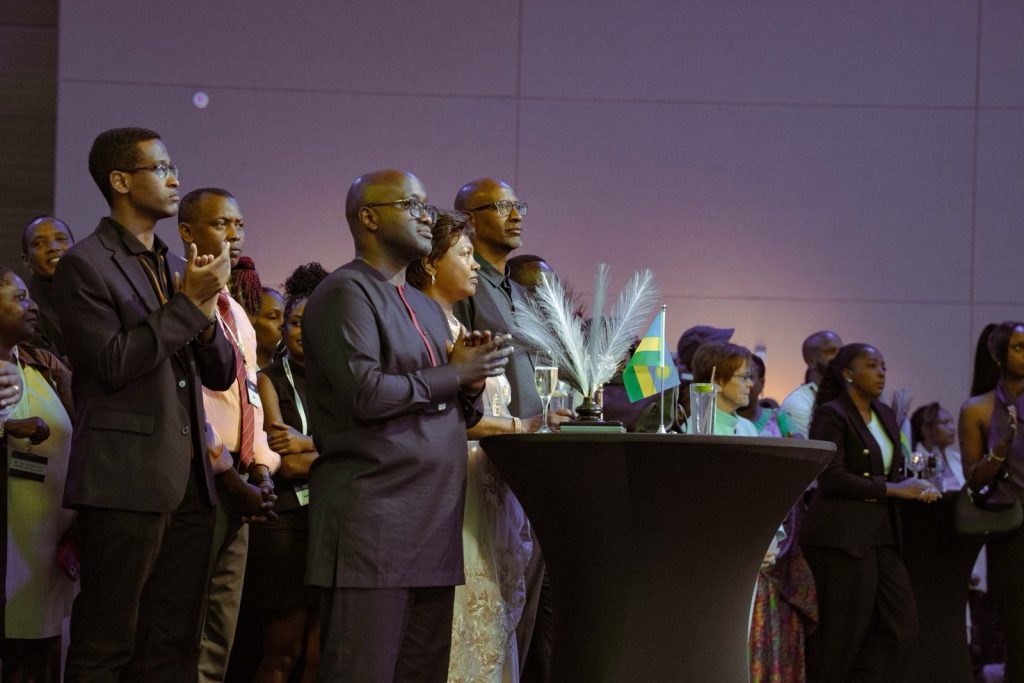
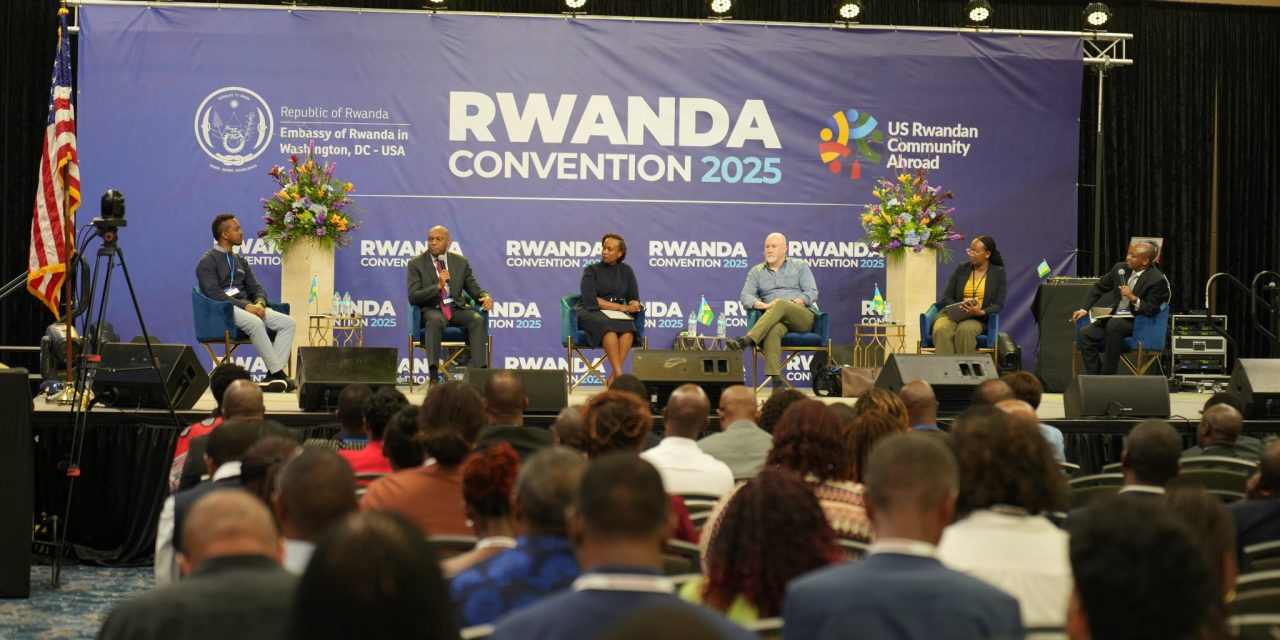
Rwandans from across the U.S., including a delegation from Maine, gathered in Dallas, Texas, for Rwanda Convention USA 2025. The event took place July 4-6 at the Irving Convention Center. Held annually, the convention serves as a national forum for diaspora members to reconnect with one another, explore ways to support Rwanda’s development, and participate in cultural, administrative, and business-related programming.
The convention opened on July 4 with a reception commemorating Kwibohora31, or Liberation Day, which marks the end of the 1994 genocide against the Tutsi in Rwanda and the victory of the Rwandan Patriotic Army (RPA), the military wing of the Rwandan Patriotic Front (RPF), led by Paul Kagame.
The program included remarks from diplomats and diaspora leaders who reflected on Rwanda’s recovery following the 1994 Genocide against the Tutsi in Rwanda. The remarks served to frame the rest of the weekend around themes of progress, national unity, and diaspora responsibility.
The Rwanda Directorate General of Immigration and Emigration offered help on-site with biometric enrollment for Rwandan passports and national identity cards, and other administrative documentation. The mobile setup was particularly beneficial for diaspora members from states without nearby consular services, such as Maine, and gave them access to essential services without having to travel to the embassy of Rwanda in Washington, D.C
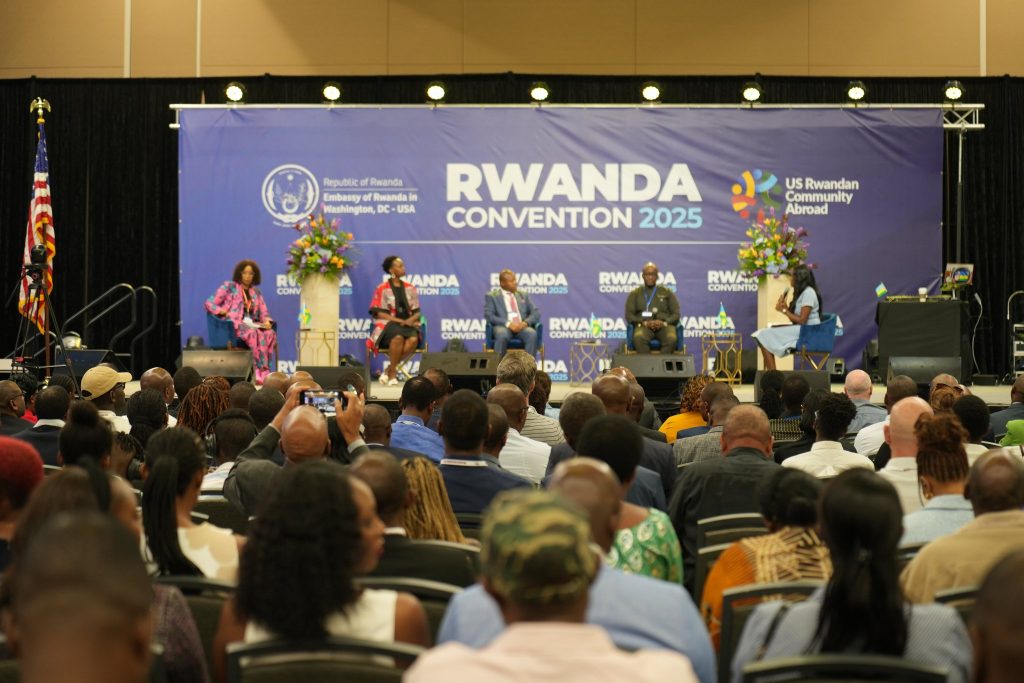
A Business and Innovation Expo brought together participants from such sectors as small business, trade, technology, healthcare, and education. Panel discussions addressed challenges facing diaspora investors, youth-led entrepreneurship, and approaches to strengthening economic collaboration between the U.S. and Rwanda.
ADVERTISEMENT

Among the speakers was Gael Karomba, co-founder of Happy Haven based in Lewiston, Maine, who emphasized the urgency of investing in Rwanda’s creative economy. “There has never been a better time to be an African creative,” he said, encouraging fellow diaspora members to direct capital and expertise toward emerging industries in Rwanda. The discussions underscored practical ways for the diaspora to contribute to Rwanda through innovation, resource mobilization, and cross-border partnerships.
Some members of the Maine delegation shared their experiences at the conference with Amjambo Africa. Suleiman Nsenga, widely known as CJ, described the convention as a valuable learning and networking opportunity. “It was a great opportunity for meeting new people, learning new things, and supporting Rwandan communities,” he said. He added that he was also able to open a bank account with a Rwandan financial institution during the convention, an option that was available on-site for interested participants. “I wish everybody could get a chance and come,” he said.
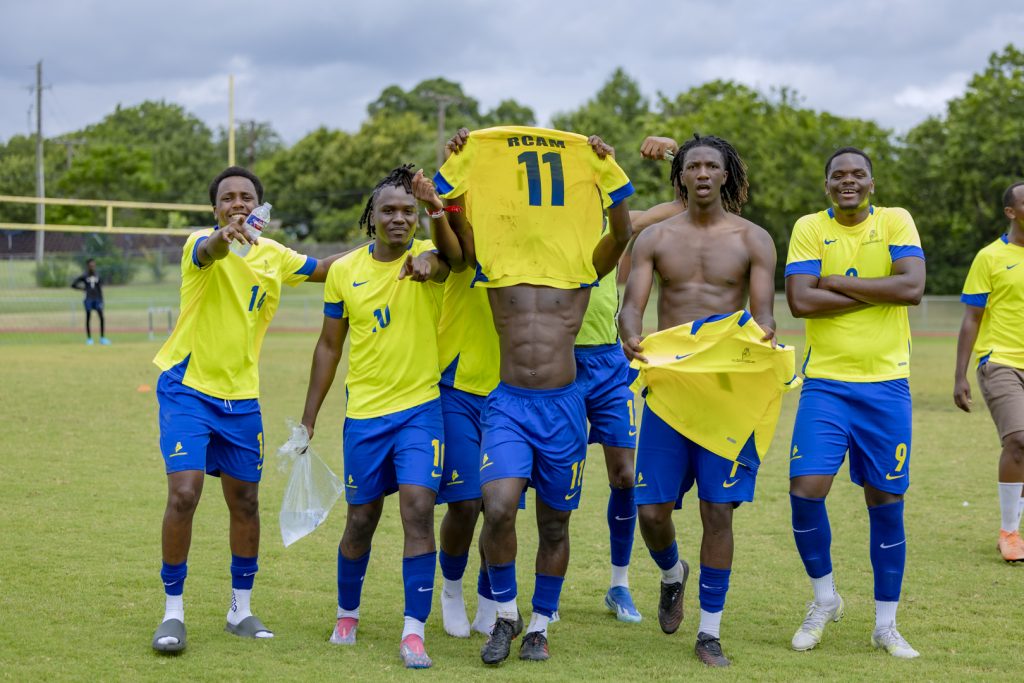
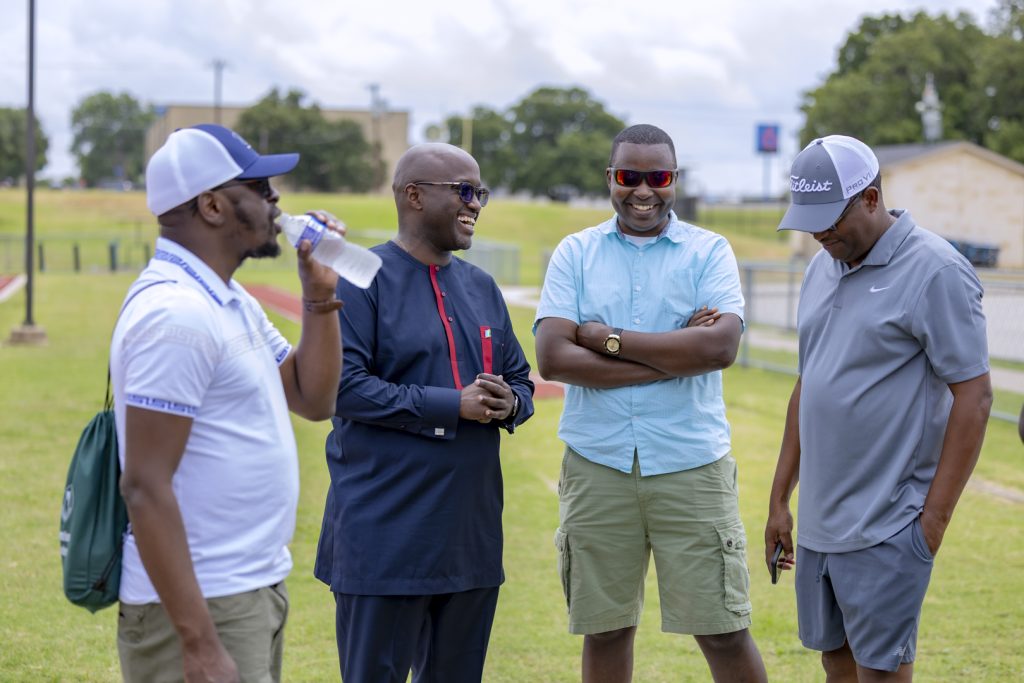
Youth and community engagement were central to the weekend’s activities. Sports tournaments included soccer, basketball, volleyball, and golf. A notable match featured Maine’s team, Agaciro FC, defeating a Dallas-based Rwandan team by a score of 4–0, drawing praise from attendees and supporters. The Maine team was widely acknowledged for representing their state with professionalism and team spirit.
In a message shared with the community following the convention, Landry Kwizera, President of the Rwandan Community Abroad – Maine Chapter (RCAM), acknowledged the collective effort:
“To Banyarwanda and all friends and family united under this Rwandan community of Maine, I want to take this moment to thank you for the love, commitment, and dedication that you showed throughout the Rwanda Convention event we just participated in. Truly, you embraced it as your own, because it is yours.”
Kwizera also commended the Agaciro soccer team for what he described as their excellence in representing the community and bringing home a sense of pride and unity.
Evening programs featured live performances by several Rwandan artists, including The Ben, Element Eleéeh, and Kevin Kade. These performances served as cultural milestones during the event, offering a sense of continuity and identity to participants from across generations.
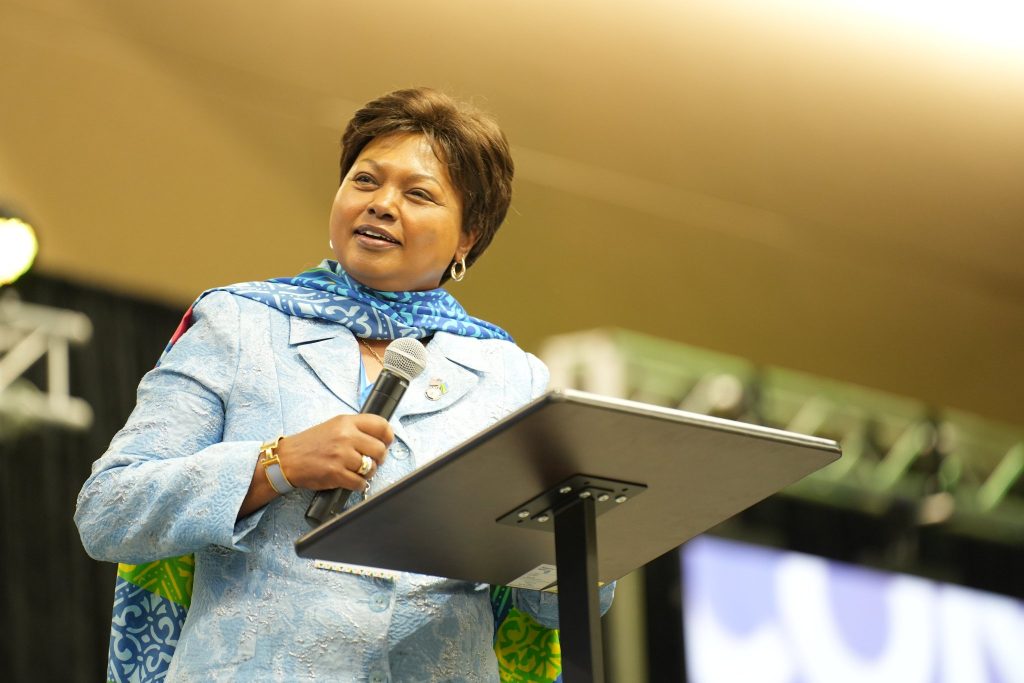
Rwanda’s Ambassador to the United States, H.E. Mathilde Mukantabana, spoke about the importance of diaspora organization and civic engagement.
“Being united empowers us to play a greater role in Rwanda’s development,” she stated. “Rwanda Convention is an important moment of unity deepening our sense of purpose and responsibility to Rwanda, and renewing the bonds that connect us, wherever we are.”
Participants represented both large and small Rwandan communities across the U.S., including those from Maine and other states. The convention provided opportunities for attendees to share local experiences, access government services, network across state lines, and strategize on how to sustain momentum beyond the event.
At the conclusion of Rwanda Convention USA 2025, organizers noted that this year’s focus on diaspora inclusion, service accessibility, and community-driven programs would continue through local RCA chapters. Planning for the next national gathering is already underway.