By Amjambo Africa Staff
For decades, thousands of families in the Zambian city of Kabwe have lived with a silent but devastating threat: toxic lead poisoning. Now, rights groups are calling on the African Union to intervene, demanding accountability and urgent action to protect children whose health has been compromised for generations.
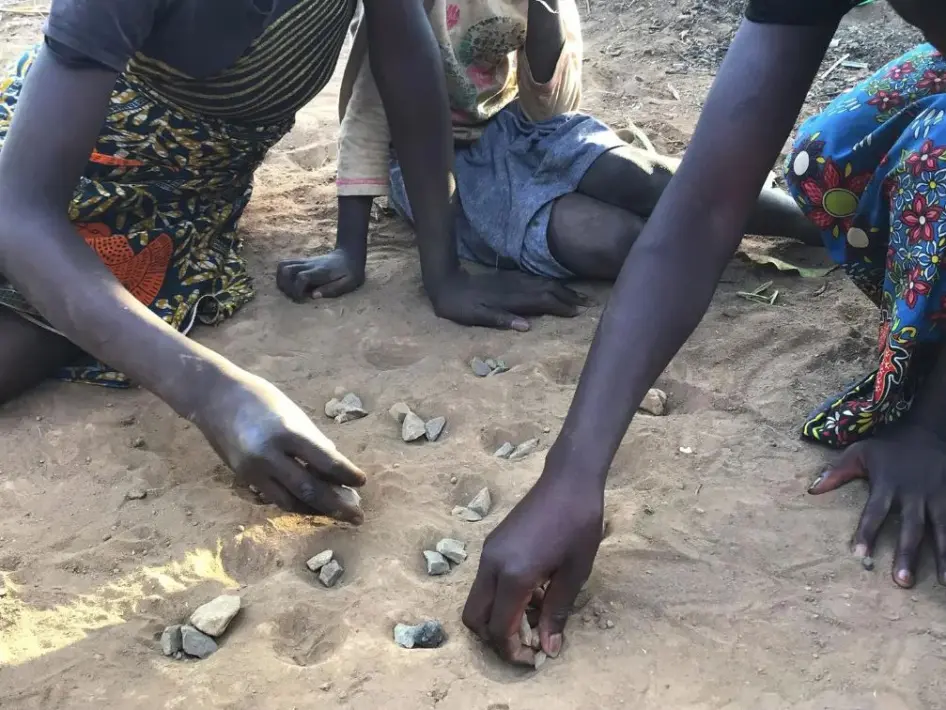
Organizations including the Human Rights Watch and the Institute for Human Rights and Development in Africa, alongside local groups and affected families, have filed a complaint before the African Committee of Experts on the Rights and Welfare of the Child. Their message is simple: the Zambian government has failed to protect its children.
ADVERTISEMENT

Kabwe’s crisis dates back to colonial-era mining, when lead extraction began under British rule. Although the mine closed in 1994, millions of tons of toxic waste were left behind. Today, that waste continues to contaminate neighborhoods, schools, and playgrounds.
Medical experts estimate that more than 95 percent of children living near the former mine have dangerous levels of lead in their blood. Exposure to lead can cause lifelong damage—affecting brain development, learning ability, and overall health. In severe cases, it can be fatal.
Despite the known risks, mining and waste-processing activities have continued in the area, increasing exposure instead of containing it. Rights advocates say this reflects a broader failure to enforce environmental protections and prioritize public health.
For many in the African diaspora, including immigrant communities in the United States, Kabwe’s story may feel distant but it reflects a familiar pattern. Marginalized communities, often with the least political power, are the ones most exposed to environmental hazards. From toxic water systems to polluted industrial zones, the burden of environmental neglect is rarely shared equally.
The complaint filed with the African Union calls for immediate steps: stopping hazardous activities, cleaning up contaminated land, providing medical testing and treatment for children, and ensuring long-term accountability from both the government and companies involved.
This case also intersects with ongoing legal action in South Africa against companies linked to the mine, highlighting a growing push for corporate responsibility across borders.
At its core, this is not just a Zambian issue. It raises global questions about who is protected, who is overlooked, and how long communities are expected to live with the consequences of environmental harm.
For immigrant readers, many of whom maintain close ties to countries facing similar challenges, Kabwe is a reminder that environmental justice and children’s rights remain urgent issues, both at home and abroad.